Table of contents
Quick answer
Car shipping is a licensed, insured industry: interstate carriers file liability coverage with the FMCSA, brokers must hold $75,000 in financial security, and you get at least nine months to file a damage claim. The real risks are minor transit damage, a pickup window that slips, and booking with an unlicensed company or paying a deposit you can't get back. Check the USDOT number, ask for the cargo insurance certificate, photograph the car at pickup, and never pay by wire transfer, gift card or crypto.
What actually goes wrong
Most shipments are dull, which is what you want. When something does go wrong it is usually one of four things, and they are not equally serious.
Small transit damage
Stone chips, a scuff from loading or road grime. This is what the inspection at both ends exists to catch.
A pickup window that slips
A truck is late, full or rerouted, so your car is collected a day or two after the window. Annoying, rarely expensive.
An unlicensed operator
A company with no authority on file, or one hiding behind another company's numbers. This is the one to screen out before you book.
A deposit you can't recover
Money sent by wire, gift card or crypto to a company that then goes quiet.


Serious loss is rare, and there are rules behind you when it happens. The trick is to stack the protections in your favour before the truck arrives, not after.
The protections you already have
Interstate auto transport is federally regulated. Four rules do most of the work for you.
Note the gap in the first one: the $750,000 figure is liability coverage, not cover for the cars on the truck. Cargo coverage is set by the carrier, so the certificate is the document that matters to you.
Six checks that remove most of the risk
- Look up the USDOT numberOperating status and insurance on file are public. A company that won't give you its number has answered your question.
- Ask for the cargo insurance certificateRead the amount and the deductible, and ask who pays it if the car is damaged.
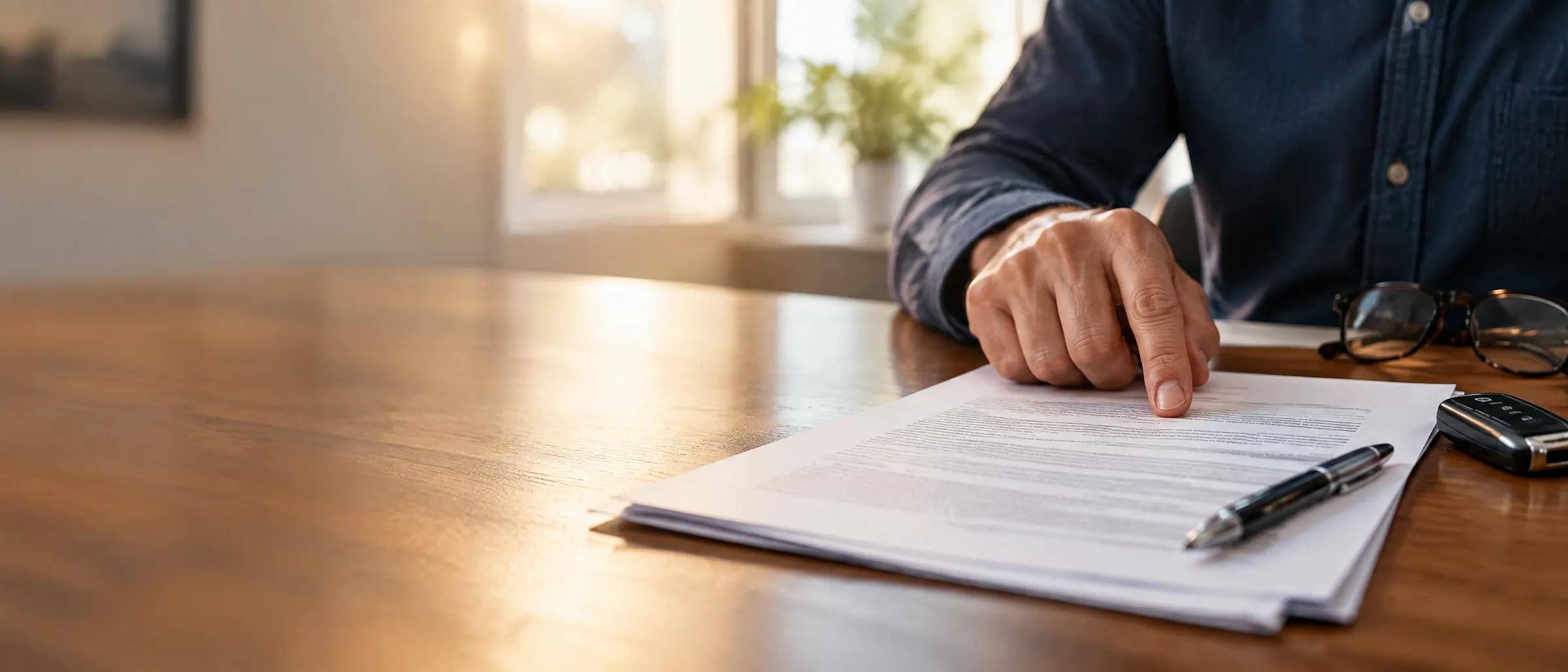
- Read the cancellation terms before you payKnow what happens to your deposit if no carrier is assigned by a date you care about.
- Pay a way you can disputeA card or bank transfer leaves a trail. Wire, gift card and crypto do not.
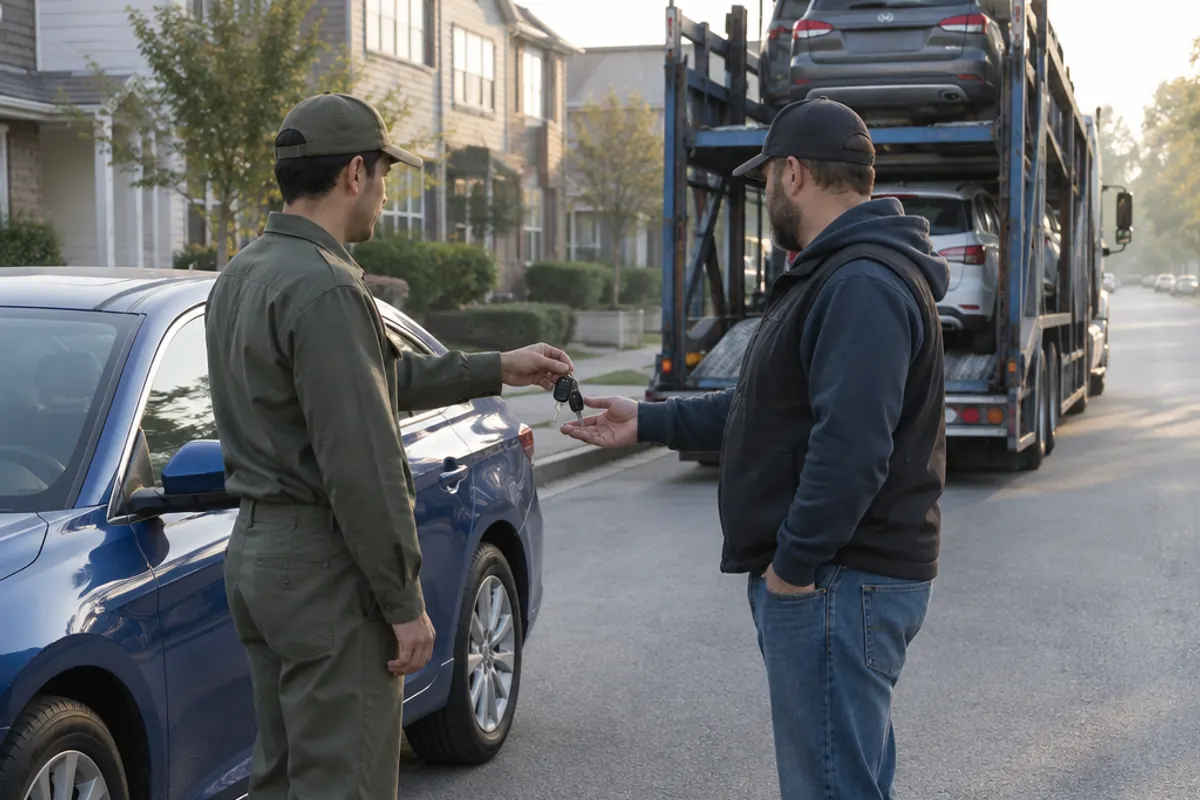
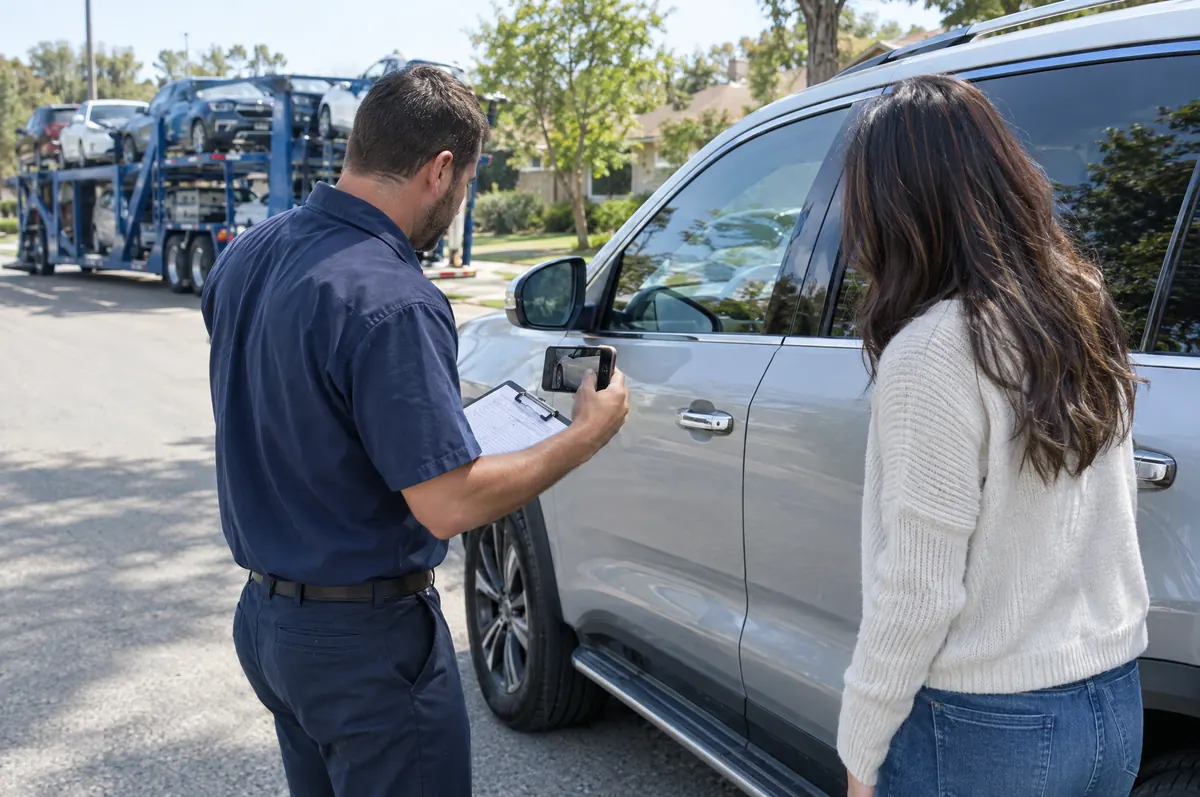
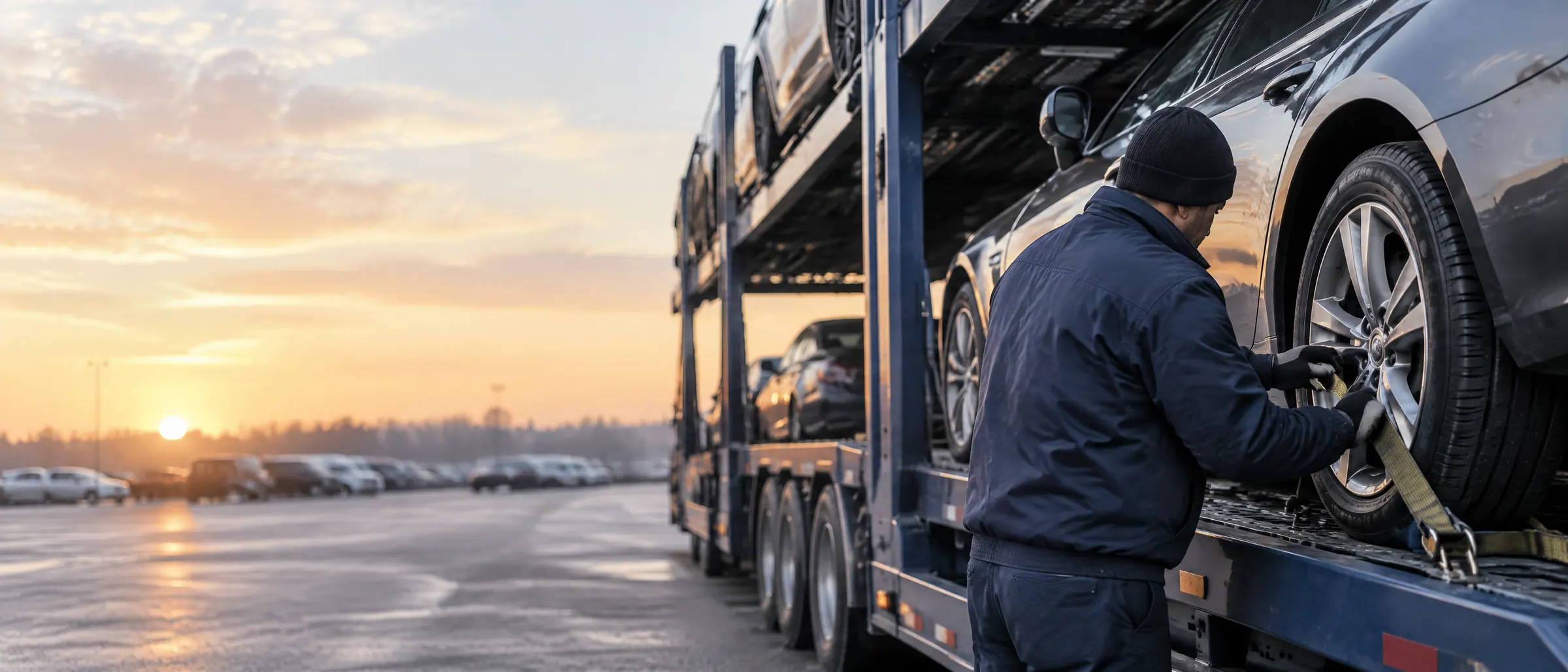
- Photograph the car at pickupWalk around it with the driver, note every mark on the Bill of Lading, then photograph the car and the paperwork.
- Inspect before you sign at deliverySigning a clean Bill of Lading at delivery is the moment you agree the car arrived undamaged.
Choices that change your risk
Two booking decisions genuinely change the odds, and one mostly doesn't.
- Enclosed transport removes weather and road debris, which is why collectors use it. It costs more.
- A realistic price gets a real carrier. A quote nobody will haul leaves your car sitting while the company looks for someone cheaper.
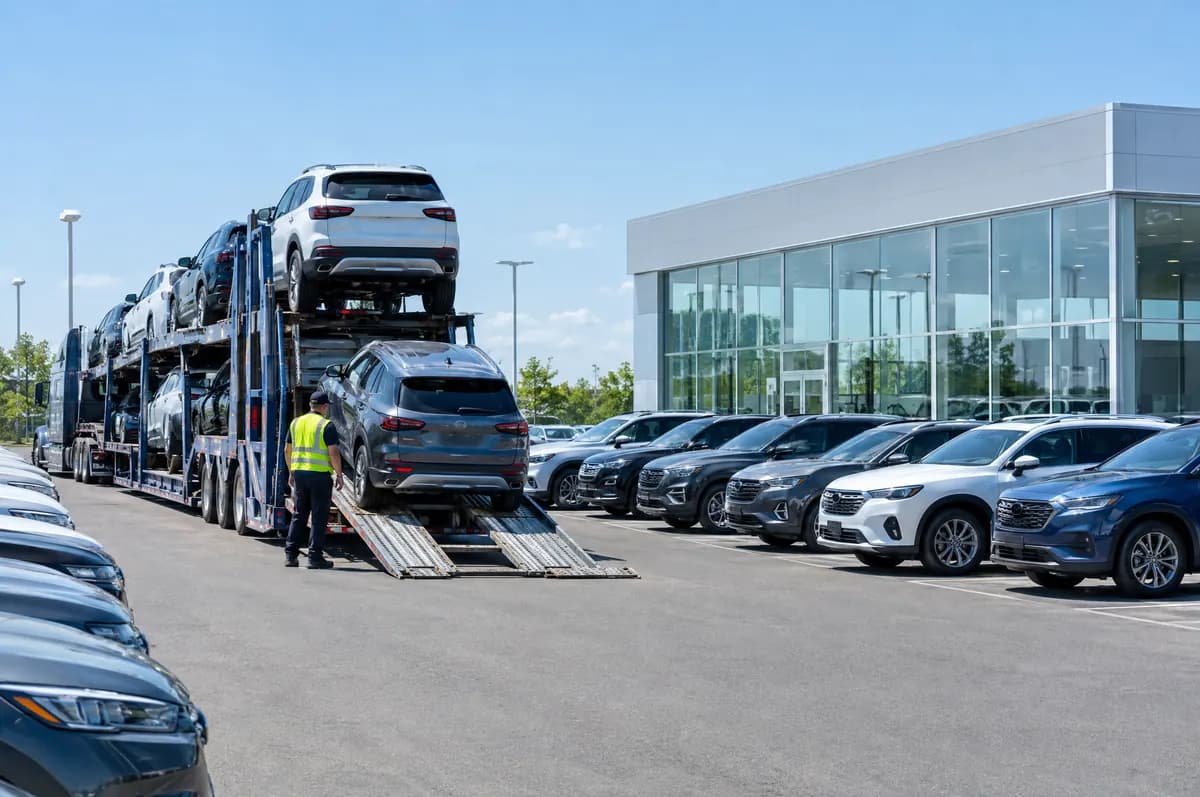
- Terminal-to-terminal versus door-to-door changes convenience more than safety: the car is loaded and unloaded either way.
If something does go wrong
Write it down while it's fresh, in this order: what the paperwork says, what the photographs show, what the company was told and when. That file is what settles a claim.
Frequently asked questions
How often do cars get damaged in transit?
Nobody publishes a reliable industry-wide damage rate, so treat any percentage you see with suspicion. What is certain is that the inspection at both ends decides who pays, which is why the photographs and the Bill of Lading matter more than any statistic.
Is the carrier's insurance enough for my car?
Ask for the cargo coverage amount and compare it with what your car is worth. High-value cars are the reason enclosed carriers usually carry more cover, and why some owners add their own coverage for the trip.
Does my own car insurance cover shipping?
Some policies cover a car in transit and some exclude it. Ask your insurer in writing before you book, and keep the answer with your shipping paperwork.
Is an open carrier safe for a normal car?
Yes. Open carriers move most of the new cars sold in the country. Enclosed transport buys protection from weather and debris, which matters for low, rare or freshly restored cars.
How do I know a company is licensed?
Ask for the USDOT number and look it up in the FMCSA database, where operating status and insurance on file are public. Check the name on the record matches the company you're talking to.
Is paying a deposit normal?
It is common, and it is not a warning sign by itself. What matters is the amount, how you pay it, and what the written terms say happens to it if no carrier is assigned.
Can I track the truck?
Some companies share driver contact details or location updates, others only call at pickup and before delivery. Ask what you'll get before you book if being able to check matters to you.
Sources
- 49 CFR 387.9
- 49 CFR 387.307
- 49 U.S.C. 14706(e)
- 49 CFR Part 370
- FMCSA company snapshot
- FTC consumer advice
- FMCSA: How to file a complaint
Written and reviewed by the Haulwide editorial team. Editorial policy