

- Open transport (est.)
- $1,035 – $2,795
- Enclosed transport (est.)
- $1,345 – $4,475
3–6 days in transit
See how much it costs to ship a car on your route, compare open and enclosed auto transport, find cheaper pickup dates, and check companies before you book.
Free · No obligation · About a minute
$875 – $2,365
Open transport, about 1,250 miles
Source: Published industry studies
+30–60%
Extra cost of enclosed transport
Source: Published industry studies
+42%
Growth in 1,000+ mile shipments, 2025
Source: Super Dispatch
$6.29/gal
U.S. diesel, week of Sep 14
Source: U.S. Energy Information Administration
Published figures, checked Sep 16, 2026. Where these figures come from
Shipping a standard car on an open carrier typically costs $875 – $2,365, and enclosed transport typically costs $1,140 – $3,780. Short trips under 500 miles cost the least in total, while cross-country moves cost the most but have the lowest price per mile.
Estimates for a standard car, updated Sep 16, 2026. How we estimate prices
$875 – $2,365
Typical open transport
Estimate
$1,140 – $3,780
Typical enclosed transport
Estimate
+30–60%
Enclosed vs. open price
Estimate
Estimated prices for a standard car. Longer trips cost more in total but less per mile.
| Distance | Open transport | Enclosed transport | Open cost per mile | Transit time |
|---|---|---|---|---|
| Under 500 miles | $280 – $770 | $340 – $1,230 | $0.80–$2.20 per mile | 1–2 days |
| 500–999 miles | $550 – $1,420 | $700 – $2,270 | $0.73–$1.89 per mile | 2–3 days |
| 1,000–1,499 miles | $875 – $2,365 | $1,140 – $3,780 | $0.70–$1.89 per mile | 3–5 days |
| 1,500–1,999 miles | $700 – $3,310 | $910 – $5,290 | $0.40–$1.89 per mile | 4–7 days |
| 2,000+ miles | $875 – $4,725 | $1,140 – $7,560 | $0.35–$1.89 per mile | 5–10 days |
Larger, heavier and high-value vehicles cost more to ship than a standard sedan.
| Vehicle | Price vs. a sedan | Usually shipped on |
|---|---|---|
| Sedan or small car | Baseline | Open carrier |
| SUV or crossover | +6.8% | Open carrier |
| Pickup truck | +38% | Open carrier |
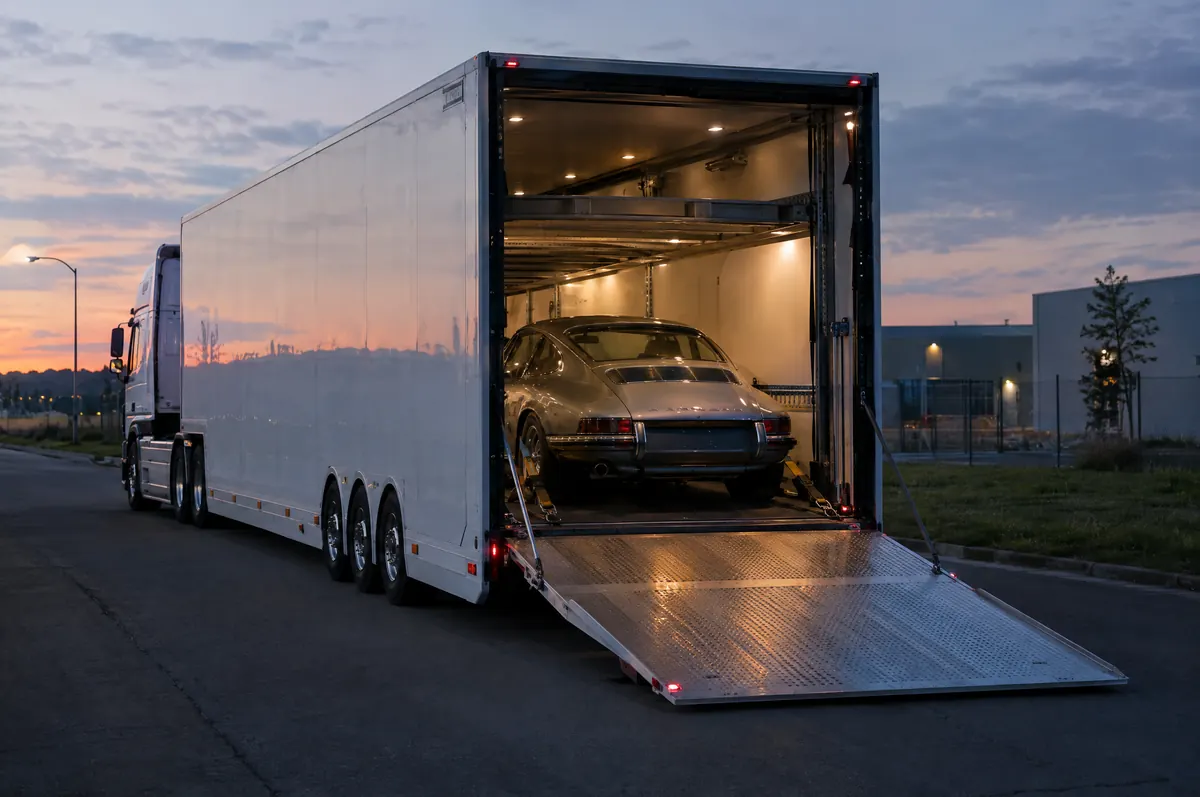
| Luxury, classic or exotic car | +30–60% | Enclosed trailer |
| Non-running vehicle | +$150 – $300 | Open carrier |
Longer trips cost more in total but less per mile. Busy interstate corridors are usually cheaper than remote or rural routes.
SUVs, pickups and vans take up more space and weight on a carrier than a sedan, so they cost more to ship.
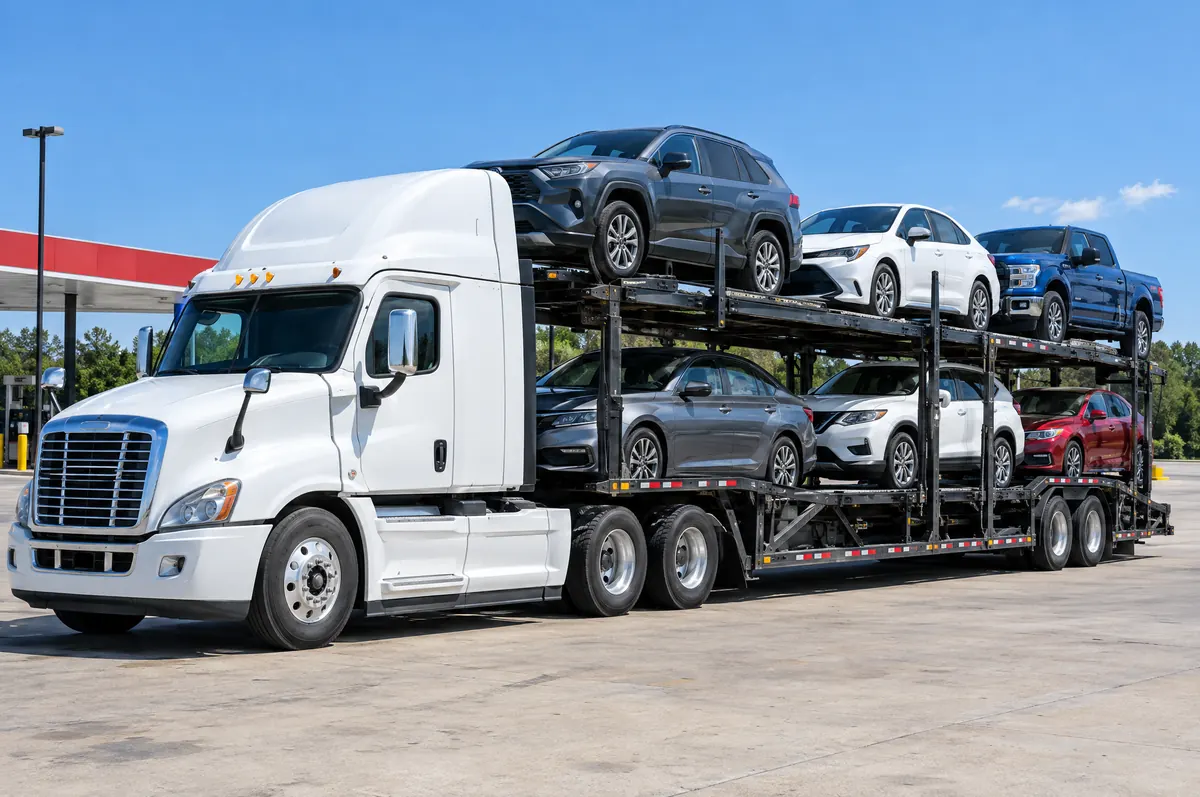
Enclosed trailers carry fewer cars and protect them from weather and road debris, so they cost more than open carriers.
Prices rise when demand outpaces truck space, such as summer moving season and snowbird routes in late fall and spring.
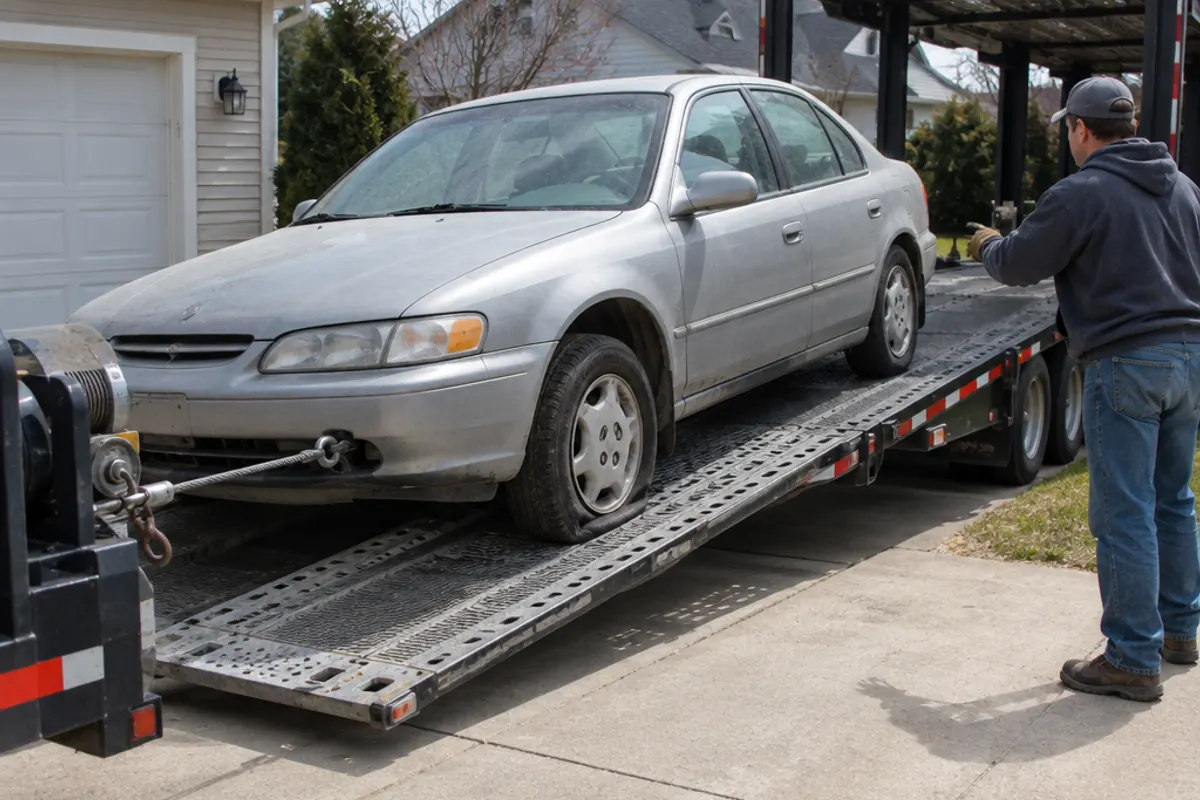
A car that doesn't run needs a winch or special equipment to load, which adds to the price.
Flexible pickup dates give carriers more ways to fit your car on a truck. Expedited pickup costs more.
Compare quotes on the same terms. Two prices can look far apart because one leaves out costs the other includes.
Prices on Haulwide stay labeled as estimates until a carrier confirms the booking.
Most car shipping problems start with details nobody confirmed. Check these six before you pay a deposit.
Total time is the pickup window plus time on the road. Companies often quote them separately, so check both.
Compare estimates, choose a company and confirm the price, pickup window and payment terms in writing.
Your order goes to a carrier with space on your route. Busy routes usually fill faster than rural ones.
Pickup happens within an agreed window, not at an exact hour. Drivers usually call ahead to set a time.
Time on the road depends on distance, weather, other stops and drivers' required rest breaks.
Inspect the car against the Bill of Lading and note any new damage before you sign.
Days on the road for a standard car, after pickup. Haulwide estimates.
The pickup window varies more than transit time does.
Prices move with demand and truck space: the season, the week you book and how easy your address is to reach all change what carriers quote. The pickup window you give matters as much as the route.
What published industry studies report for the distance between these cities, with typical transit times. Get a quote for your own dates.
3–6 days in transit
3–6 days in transit
4–7 days in transit
3–5 days in transit
2–4 days in transit
4–7 days in transit
Prices, demand and transit times can differ by direction, so every state-to-state route has its own page.
The corridors carriers use in each region, with what published reports say about demand there.
CA · OR · WA
Long north-south runs on I-5 and heavy traffic east on I-10 and I-40.
+19% year over year Growth in deliveries, 2025Source: Super Dispatch
AZ · NV · NM · TX
Busy east-west corridors to and from Texas and Arizona.
FL · GA · SC · NC · AL
Snowbird traffic heads south in the fall and north in the spring.
+5–8% Snowbird corridors in seasonSource: Direct Connect Auto Transport
IL · OH · MI · MN · MO
Chicago is the hub; winter storms can slow northern pickups.
NY · NJ · PA · MA · CT
Dense cities often mean meeting the truck at a nearby lot.
+27% year over year Growth in deliveries, 2025Source: Super Dispatch
CO · UT · MT · WY · ND · SD
Long distances between cities, and mountain passes in winter.
Checked Sep 16, 2026. Corridors from Haulwide's state profiles; figures from the reports named on each card.
Start from your situation. These are the services that usually fit best.
You want the lowest price
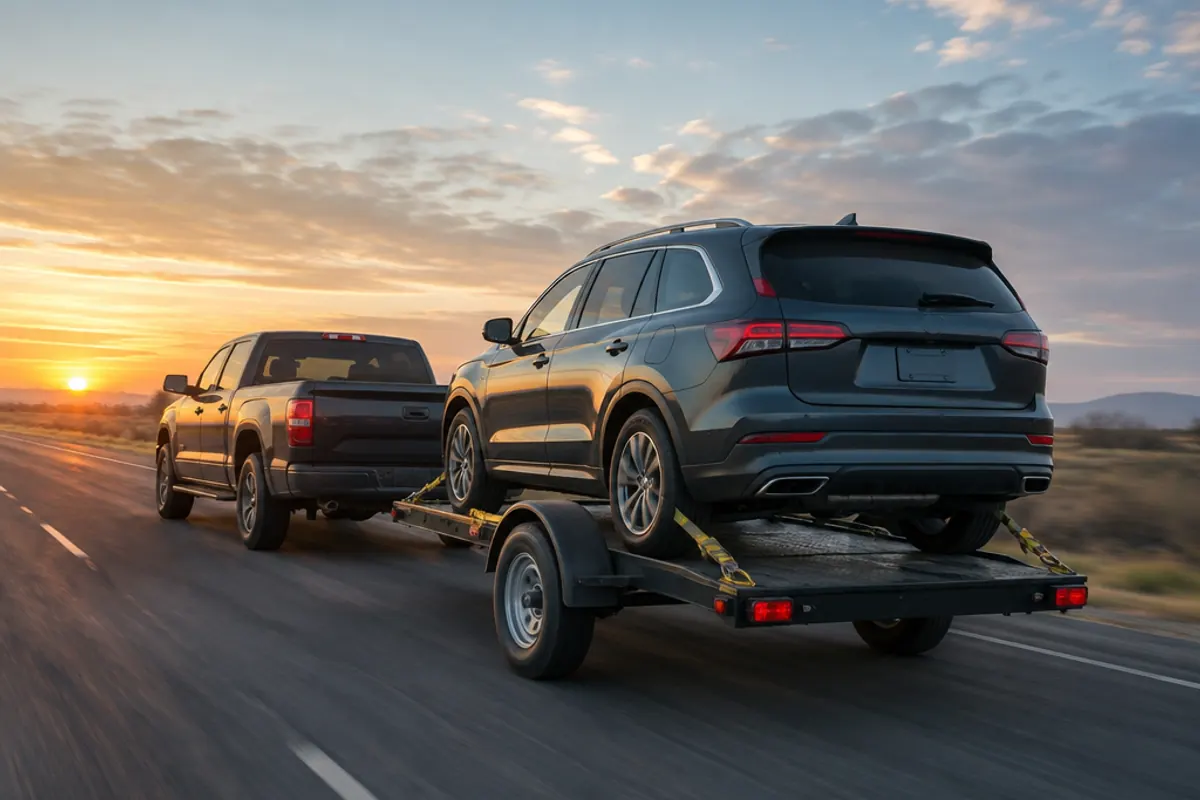
Open carriers are the most common and affordable option. A wider pickup window helps you catch a lower rate.
Open car transportYou're shipping a luxury, classic or exotic car
A covered trailer shields the car from weather, dust and road debris, and each load carries fewer vehicles.
Enclosed car transportYou're on a tight deadline
Priority dispatch shortens the wait for pickup when the car has to move quickly. Expect to pay more.
Expedited car shippingYour car doesn't run
Carriers with a winch can load vehicles that don't start, roll or steer. Tell the company about the condition upfront.
Inoperable car shippingYou're moving more than one vehicle
Shipping vehicles together on one truck can cost less per car than booking separate shipments.
Multi-car shippingYou have PCS orders
Plan pickup around your report date and ask for carriers experienced with base pickups and deliveries.
Military car shippingMost cars ship on open carriers. Enclosed transport costs more but keeps the car fully covered.
Which is right for you? Compare price, protection, availability and the cars each option suits. | Open transport | Enclosed transport |
|---|---|---|
| Price | Lower; the most affordable option | Typically 30–60% more than open |
| Protection | Exposed to weather and road debris | Fully covered trailer |
| Availability | Most trucks on the road; easiest to schedule | Fewer trucks; pickup can take longer to schedule |
| Best for | Everyday cars, SUVs and pickups | Luxury, classic, exotic and collector cars |
Many car shipping companies you find online are brokers that hand the job to a carrier. Either can be a good choice when it's properly registered.
Owns the trucks and employs or contracts the drivers who move your car.
Arranges your shipment with carriers in its network.
Company profiles on Haulwide show whether a company is a broker, a carrier or both.
A few minutes of preparation makes pickup faster and protects you if something goes wrong.
Work through it the day before pickup.
Very little for most trips within the continental U.S. Requirements vary by company and destination, so confirm before pickup.
Usually, yes, through the carrier's cargo insurance. Coverage has limits and exclusions, so check the details before pickup.
Carriers carry cargo insurance that pays for damage they cause to vehicles on their trucks. Ask for the certificate of insurance and check the coverage limit and deductible.
You and the driver inspect the car together and record every scratch and dent on the Bill of Lading. Read it carefully before you sign.
Dated photos taken at pickup are your best evidence of the car's condition if you need to file a claim. It's also worth asking your own insurer whether your policy covers the car in transit.
Car shipping prices follow demand. Booking outside the busiest weeks, and staying flexible on pickup dates, is the simplest way to pay less.
More people move between June and August, so trucks fill up faster and prices tend to climb.
Routes to Florida, Arizona and Texas fill up in late fall, and the trips back north fill up in spring.
Demand usually drops after the holidays, though snow and ice can delay pickups on northern routes.
More data and more transparency, so you can decide when and how to ship.
Compare estimated prices day by day to find a cheaper pickup window.
See whether rates on your route are expected to rise or fall before you book.
Hold a quoted rate for a set period while you finalize your plans.
Check whether a nearby pickup or drop-off point lowers your price.
Get from a rough idea to a confirmed quote in four steps.
Tell us where the car is going, what you're shipping and when.
See estimated prices across pickup dates and transport types.
Pick the date, transport type and company that fit your budget.
Confirm a quote with a transport company you've checked first.
Researched companies ordered by public review ratings, adjusted for review count. Companies can't pay for a higher position.
| # | Company | Trustpilot | Type |
|---|---|---|---|
| 1 | Sonic Auto Transportation | Broker | |
| 2 | Corsia Logistics | Broker | |
| 3 | MoverJet Logistics | Broker | |
| 4 | GetCarrier | Broker | |
| 5 | RoadRunner Auto Transport | Broker |
Ratings are Trustpilot's. Haulwide doesn't host reviews yet.
View full listEstimated prices, popular routes and top cities for shipping a car to or from each state.
How we calculate prices, scores, rankings and reviews, and how we keep them independent.
Built from quoted, booked and paid prices on each route, adjusted for distance, vehicle, transport type and season. Each figure shows when it was updated and stays an estimate until a carrier confirms.
Pricing methodologyCompany profiles carry sourced facts only: FMCSA licensing, services and payment terms, plus each company's public review rating and the date we checked it. Haulwide doesn't host its own reviews yet.
Company ranking methodologyCompanies are ordered by their public review rating, adjusted for how many reviews it is based on. Companies can't pay for a higher position, and sponsored placements are always labeled.
Ranking methodologyWe publish reviews only after checking they're tied to a real shipment and pass moderation, and we explain how corrections and appeals work.
Review standardsHaulwide may earn money when you request quotes from partner companies or see labeled sponsored placements. It never changes scores or rankings. How Haulwide makes money
Quick answers to the most common auto transport questions.
Shipping a standard car on an open carrier typically costs $875 – $2,365, and enclosed transport typically costs $1,140 – $3,780. Short trips under 500 miles cost the least in total, while cross-country moves cost the most but have the lowest price per mile.
Car shipping cost guidePer-mile rates drop as distance grows. Open transport typically runs $0.80–$2.20 per mile for trips of under 500 miles and $0.35–$1.89 per mile for 2,000+ miles.
Car shipping cost per mileOpen transport is cheaper and is how most cars are shipped. Enclosed transport typically costs about 30–60% more because each trailer carries fewer cars and fully covers them.
Open vs. enclosed shipping costAfter pickup, transit usually takes 1–2 days for trips of under 500 miles and 5–10 days for 2,000+ miles. The wait for pickup is separate and depends on route demand and how flexible your dates are.
How long car shipping takesPrices usually peak in summer moving season and on snowbird routes in late fall and spring. Individual routes can differ, so compare dates for your route before you book.
Best time to ship a carLicensed carriers carry insurance, but coverage limits and deductibles vary. Ask for the carrier's certificate of insurance, check that it covers your car's value, and note any existing damage on the inspection report at pickup.
Car shipping insuranceSome carriers allow a small amount of belongings in the trunk, but those items usually aren't covered by the carrier's insurance and extra weight can raise the price. Check the company's policy before you pack anything.
Personal items during shippingA carrier owns the trucks and moves your car. A broker arranges the shipment with carriers in its network. Both should be registered with the FMCSA, and brokers must also hold broker authority and a surety bond.
Broker vs. carrierLook up the company's MC or USDOT number, be wary of large deposits before a carrier is assigned, compare several quotes, and get the price, pickup window and terms in writing.
Avoid car shipping scamsPlain-English answers to the questions people ask before they ship a car.
Transport options
Can You Ship a Car by Train? Rail vs. TruckCan you ship a car by train? Only on Amtrak's Auto Train, and you ride with it. Here's how rail really works and why truck transport fits most moves.
7 min readUpdated
Cost and saving
Cheapest Pickup Date for Car Shipping: How to SaveHow your pickup date moves a car shipping quote, how a price calendar reveals the cheapest pickup day, and why a flexible window usually beats a fixed date.
7 min readUpdated
Transport options
Open vs. Enclosed Car Shipping: Which Is Right for You?Compare open and enclosed car shipping: protection, price difference, availability and which vehicles need an enclosed trailer.
4 min readUpdated
Cost and saving
State to State Car Shipping Cost: Full BreakdownWhat state-to-state car shipping costs per mile, how fuel and a carrier's operating-cost floor set the price, plus sample lanes and ways to pay less.
7 min readUpdated
Enter your route to compare estimated prices, pickup dates and transport companies.