Table of contents
Quick answer
Open transport is cheaper, faster to book and perfectly safe for most everyday cars. Enclosed transport costs more, often 40% to 60% more, but protects luxury, classic, exotic and freshly restored cars from weather, debris and view.
Open vs. enclosed at a glance
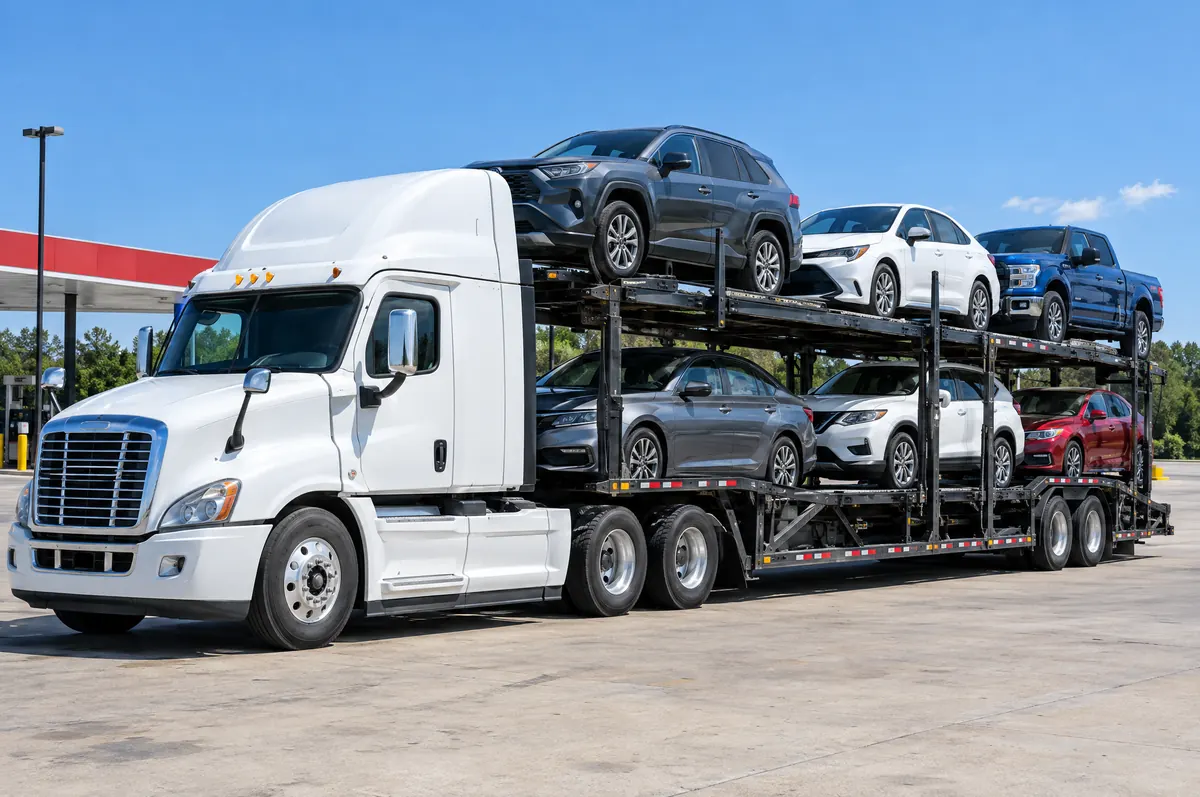
Open transport
Your car rides on an open multi-car carrier.
- Lowest price
- Most trucks and dates
- Exposed to weather and road dust
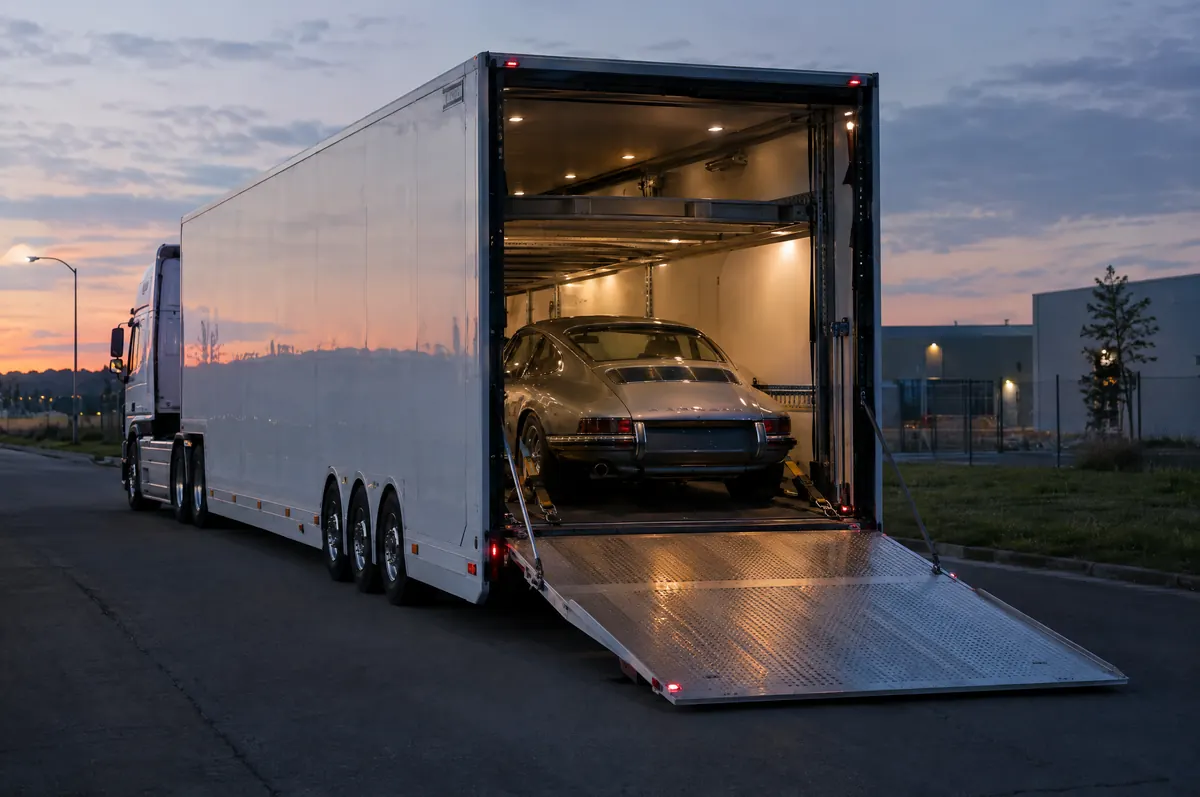
Enclosed transport
Your car rides inside a covered trailer.
- Protected from weather and debris
- Often liftgate loading
- Higher price and fewer trucks
When enclosed transport is worth it
- Luxury, exotic and high-value cars
- Classic, antique and collector cars
- Freshly painted or restored vehicles
- Low-clearance cars that could scrape on ramps
- Cars that must arrive spotless for a show, sale or auction
Soft-sided vs. hard-sided enclosed trailers
Soft-sided trailers use heavy curtains that block rain and most debris, usually at a lower price. Hard-sided trailers have solid walls and roofs and offer the most protection, which is why they're the usual choice for very valuable cars.
How much more does enclosed cost?
Enclosed trailers carry fewer cars, so each car pays a bigger share of the trip. Expect a noticeable premium on the same route, and book earlier because there are fewer enclosed trucks.
Frequently asked questions
Is open car shipping safe?
Yes. Most cars ship on open carriers and arrive without damage. The main exposure is weather and road dust, which washes off.
Can SUVs and trucks ship enclosed?
Yes, though very large or lifted vehicles may need a trailer with enough height, so mention dimensions when you book.
Is enclosed shipping insured differently?
Enclosed carriers often carry higher cargo limits because they move more valuable cars. Always check the certificate.
Car shipping insurance
Sources
Written and reviewed by the Haulwide editorial team. Editorial policy