Table of contents
Quick answer
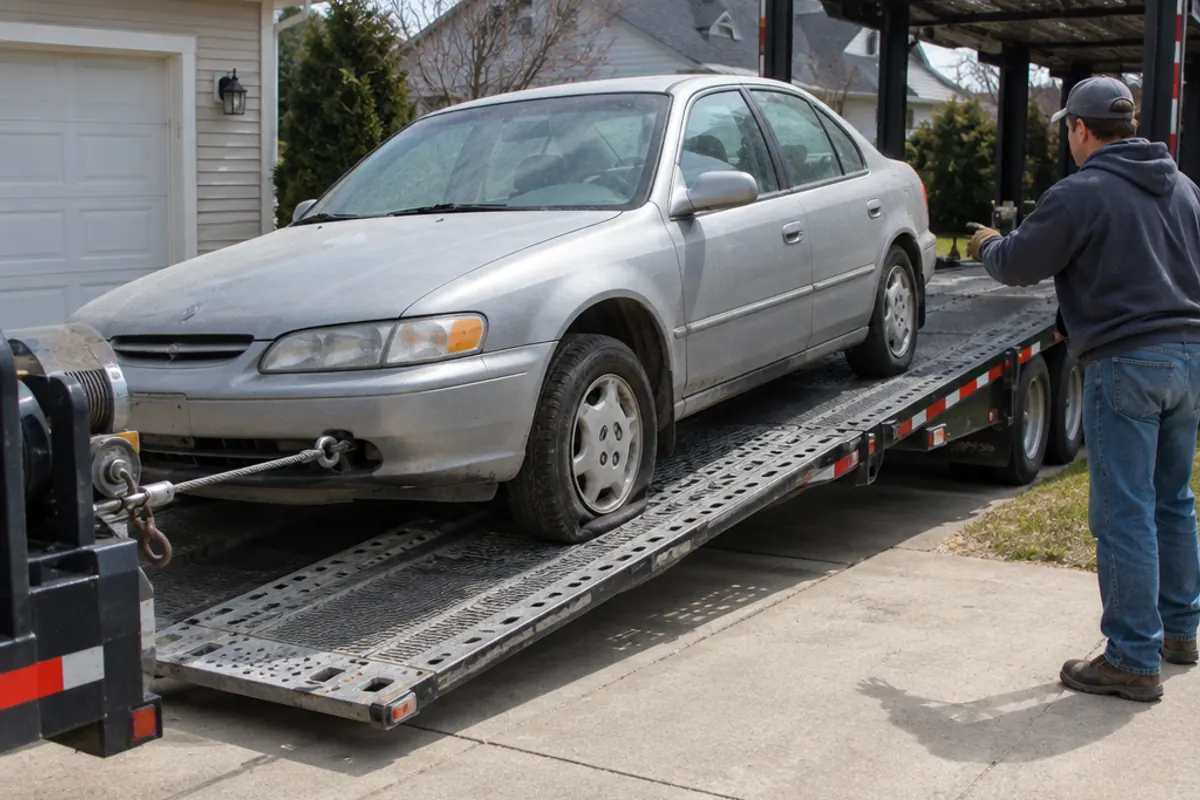
You can ship a non-running car on a truck with a winch, as long as it can roll, steer and brake. Tell the company when you book, expect an extra charge for special loading, and make sure keys and access are available at pickup.
What counts as inoperable?
To a carrier, a car is inoperable if it can't drive onto and off the trailer under its own power. That includes cars with dead batteries, bad transmissions, no engine or major damage.
- Wheels roll freely
- Steering turns
- Brakes work enough to stop the car
- Tires hold air
Why it costs more
Loading a non-running car takes more time, a winch-equipped truck and sometimes a specific spot on the trailer. That usually adds a surcharge to the normal price.
How to prepare a non-running car
- Describe the problem honestly when you request quotes
- Make sure the car isn't blocked in and can be reached by a truck
- Inflate tires and release the parking brake
- Leave the keys, even if the engine doesn't start
- Remove loose parts and secure panels
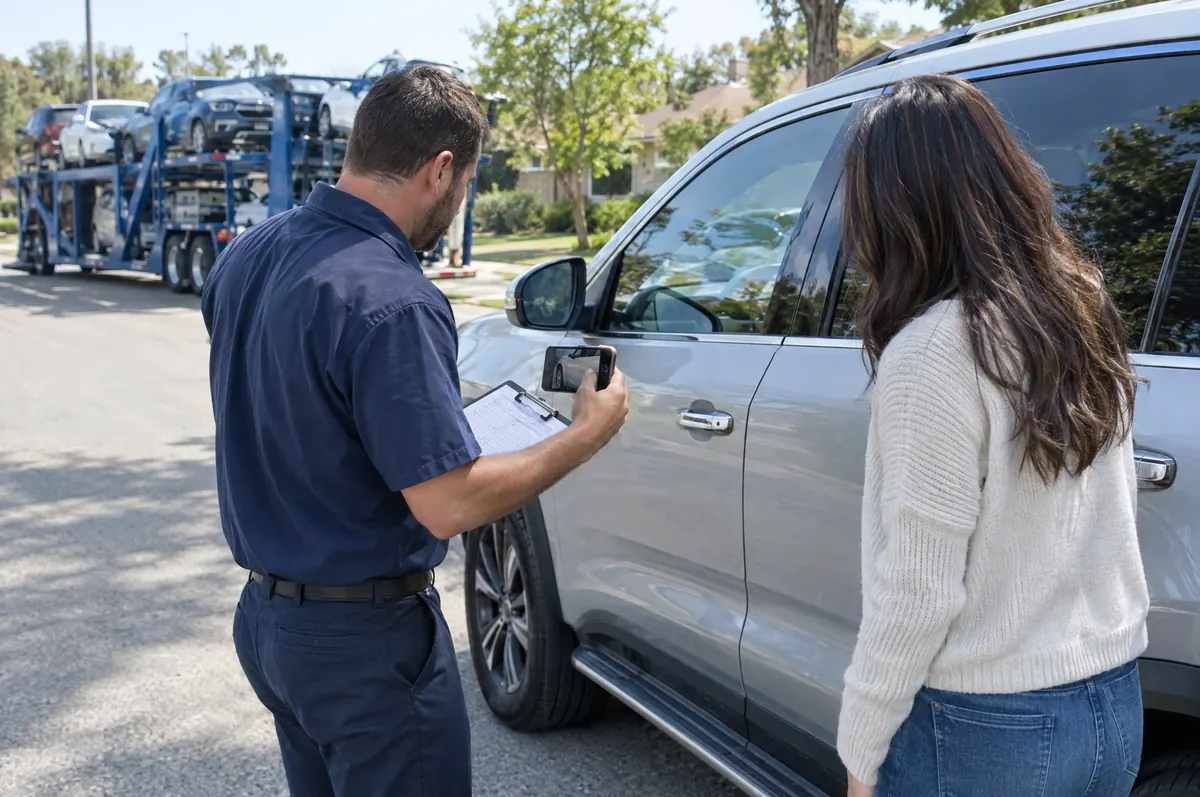
- Photograph existing damage carefully
Buying a salvage or auction car?
Auction and salvage yards often charge daily storage after a short free period, so book transport quickly. Confirm the lot's pickup hours and paperwork needed to release the car.
Frequently asked questions
Can a non-running car go on an open carrier?
Yes. Many open carriers have winches. Enclosed options exist too for valuable project cars.
What if I don't tell the company the car doesn't run?
The driver may not have the right equipment, which can mean a missed pickup and extra fees. Always disclose it.
Should I use a tow truck instead?
For short local moves a tow truck can make sense. For long distances, a carrier is usually more cost-effective.
About this article
Written and reviewed by the Haulwide editorial team. Editorial policy