Table of contents
Quick answer
For an ordinary road move, shipping an EV is much like shipping any other car: open or enclosed, door-to-door, same paperwork. The differences are weight, which can affect what else fits on the truck, charge level, which should be enough to drive on and off at both ends but not full, and the transport or tow mode your car needs so its parking brake releases. The exception that catches people out is water: the main ocean carriers serving Hawaii and Alaska no longer accept electric or plug-in hybrid vehicles at all.
Weight is the part that actually affects your booking
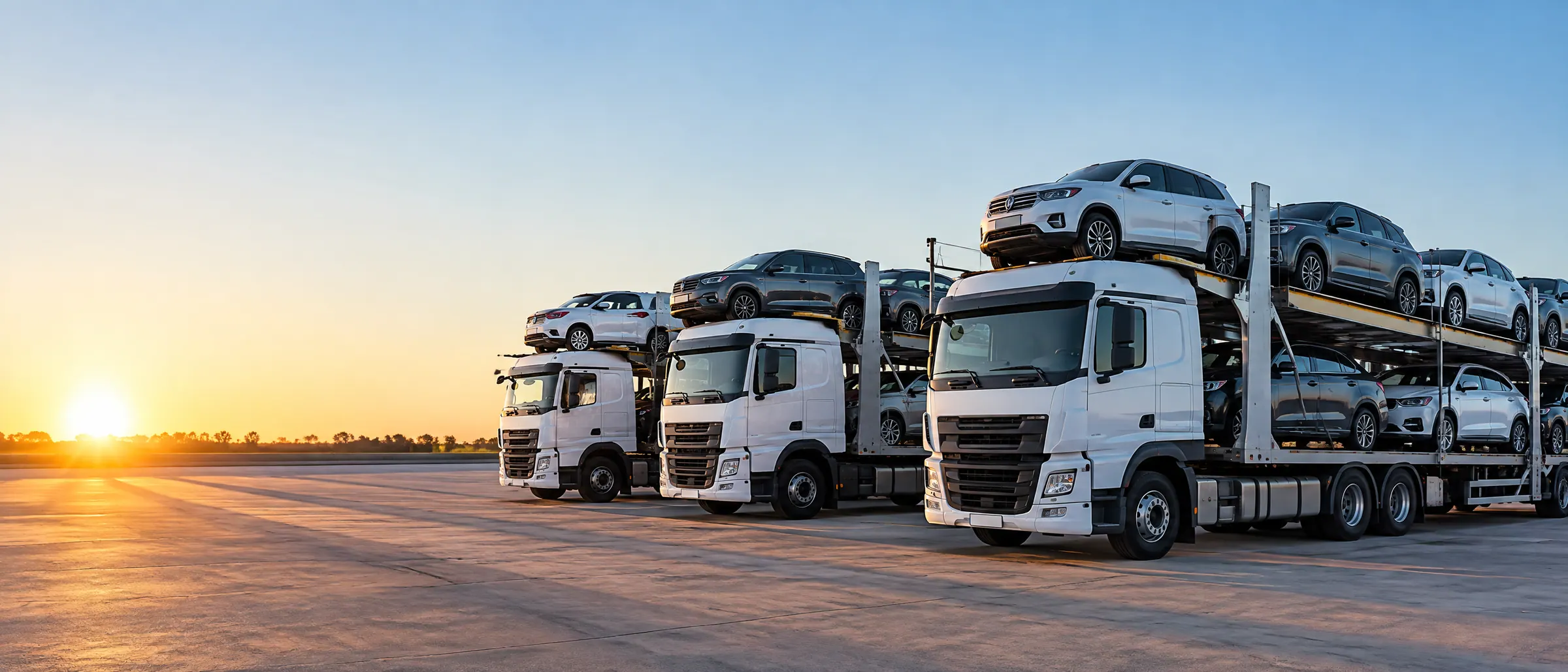
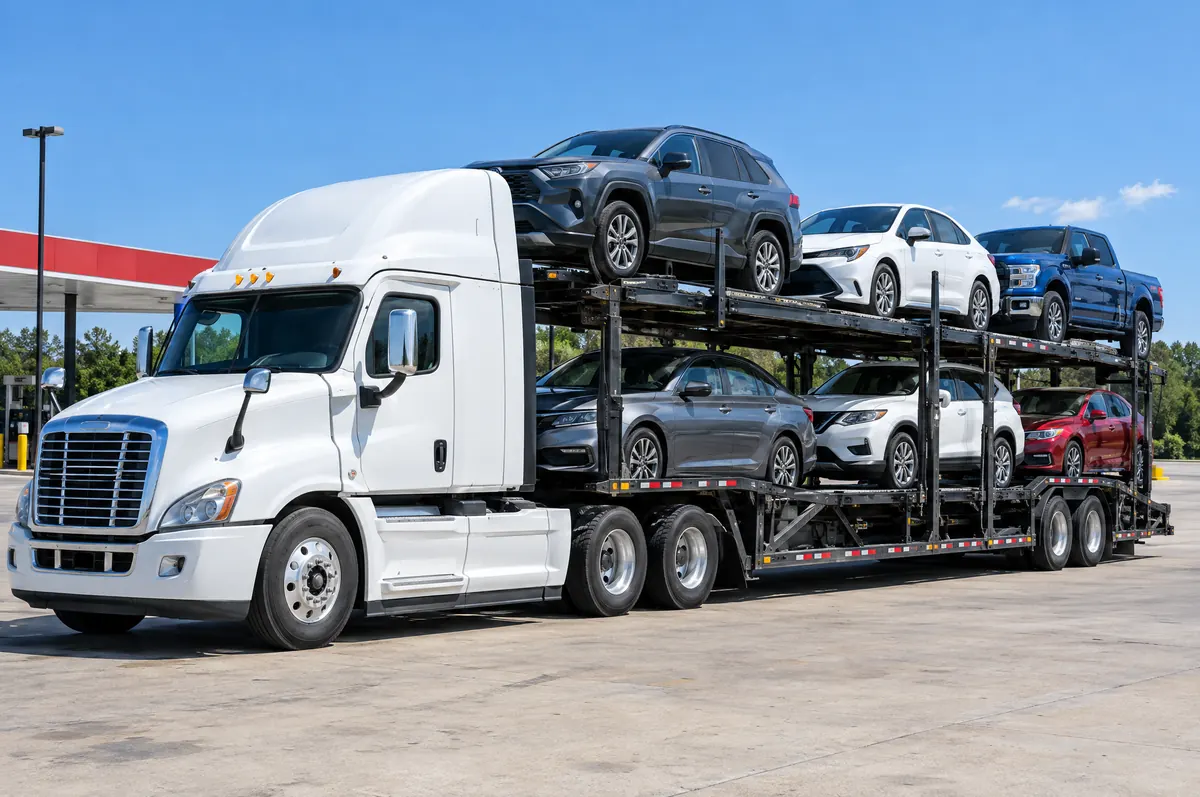
A battery pack is heavy, and it sits low in a car that otherwise looks ordinary. A driver loading a nine-car trailer is solving a weight puzzle as much as a space one, because the whole rig has a legal ceiling.
That ceiling covers the tractor, the trailer and every vehicle on it. Swap two ordinary sedans for two heavy electric SUVs and the driver may have to leave a car behind, or refuse a later booking to stay legal. This is why an EV sometimes attracts a higher quote, and why a carrier may want your car in a particular position on the deck rather than wherever is convenient.
Hawaii and Alaska: the exception nobody mentions
This is the one that ruins plans. A road move is straightforward; a move across water is not, because the two carriers that dominate those routes have stopped taking electric and plug-in hybrid vehicles, citing battery fire risk at sea.
Read those two carefully if you are moving to or from the islands or Alaska, because they do not apply to every hybrid. A conventional hybrid that never plugs in is generally still accepted; a plug-in hybrid is treated like an EV. If your move depends on the car arriving, confirm the current policy with the ocean carrier in writing before you book anything on land.
How much charge to leave in it
Your car needs enough charge to be driven onto the truck at one end and off it at the other, plus a margin for the days in between and for a driver who has to reposition it in a yard. It does not need to be full, and a full battery is not a favour to anyone.
Manufacturers publish their own transport instructions, and they are the authority here rather than any shipping company's blog. Look up yours, follow the number it gives, and tell the carrier what you did. Turn off sentry, guard or security modes that watch the surroundings continuously, because a car parked on a truck for a week with cameras running can arrive flat.
Transport mode, and why the driver will ask for it
Most electric cars apply an electronic parking brake automatically and hold it when the car is switched off. On a trailer that is a problem: the wheels need to turn freely while the car is winched or nudged into position. Manufacturers provide a transport, tow or neutral mode that releases the brake for exactly this, and it usually has to be switched on deliberately.
- Find the procedure in your owner's manual before pickup day, not while a driver waits
- Write the steps on a card and leave it with the key, in case someone else loads or unloads the car
- Ask whether the mode times out, since some cars re-apply the brake after a set period
- Tell the driver it is an EV when you book, not when the truck arrives
None of this is exotic. Drivers move electric cars every week. It goes wrong when nobody mentions the car is electric until the truck is on the street and the brake will not release.
Finding a company that will take it
Of the sixteen companies in our directory, one names electric vehicle shipping as a service: Bold Auto Transport. That does not mean the other fifteen refuse EVs, and most will carry one without comment. It does mean you should ask rather than assume, especially for a heavy truck or SUV.
- Ask whether the carrier has taken this model before, and what it weighs on their paperwork
- Ask whether an EV changes the price on your route, and by how much, before you agree anything
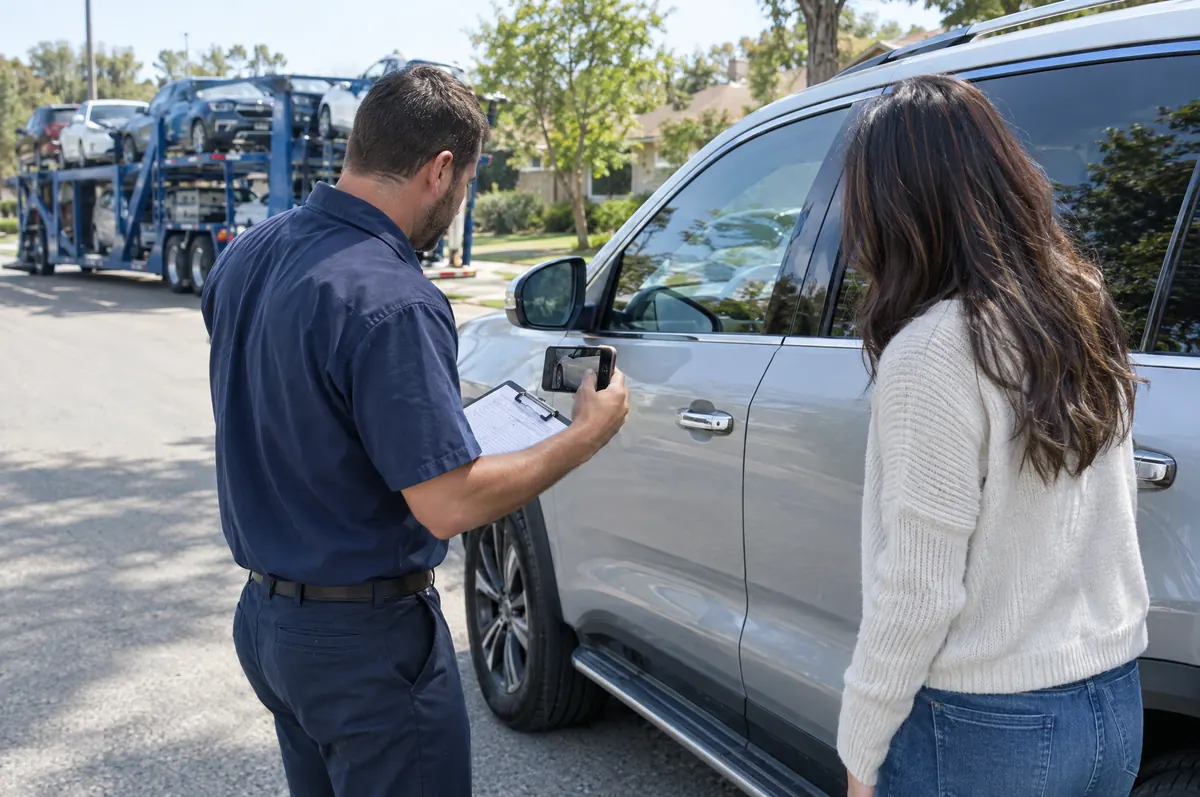
- Ask how the car will be secured. Wheel straps are normal; hooking a chain to the battery tray or a suspension arm is not
- Check the quote covers the car's real value, since an EV is often worth more than the shape suggests
On pickup day
- Charge to the level your manual givesEnough to drive on and off with a margin, and no more.
- Turn off sentry and scheduled chargingContinuous camera recording and overnight charge timers both drain a parked car.
- Leave the key card or fob with the driverPhone-as-key alone can fail when your phone is 2,000 miles away.
- Show the transport mode stepsWalk the driver through it once, and leave the written card in the car.
- Photograph the car and the charge levelA dated photo of the screen settles any argument about what arrived and with how much left.
Frequently asked questions
Does shipping an electric car cost more?
It can, and weight is usually the reason: the truck has an 80,000-pound legal ceiling, so a heavy car takes capacity the driver could sell to someone else. Ask for the price on your own route with the exact model named, rather than assuming a surcharge either way.
Can I ship an EV to Hawaii or Alaska?
Not on the main ocean carriers as things stand. Matson has suspended acceptance of electric and plug-in hybrid vehicles, and TOTE Maritime Alaska stopped carrying them on August 1, 2025. Conventional hybrids that don't plug in are generally still accepted, but confirm in writing before you commit.
Shipping a car to HawaiiHow much charge should I leave in the battery?
Enough to drive on and off the truck at both ends with a margin, and not a full battery. Your manufacturer publishes a transport instruction with a specific level; follow that rather than a figure from a shipping company's blog, and turn off sentry mode so the car isn't recording all week.
Should an EV go in an enclosed trailer?
Only for the same reasons any car would: high value, rare paint, or a car you would not want exposed to weather and road debris. Being electric is not itself a reason for enclosed transport.
Open vs. enclosed
Sources
- FHWA, Federal commercial vehicle size and weight standards
- Matson car shipping FAQ
- TOTE Alaska notifications
Written and reviewed by the Haulwide editorial team. Editorial policy