Table of contents
- Key takeaways
- Should You Choose Open or Enclosed Transport for a Long Haul?
- How Do You Get and Compare Quotes From Multiple Carriers?
- How Do You Book, Schedule Pickup, and Prepare the Vehicle?
- What Happens When You Ship a Car Across the Country?
- What Belongs on Your Inspection and Delivery Day Checklist?
- Your Next Step
- FAQs
Quick answer
To ship a car across the country, you choose between open and enclosed transport, compare quotes from several licensed carriers, book and schedule a pickup, prepare the vehicle, then inspect it carefully at both ends. The whole process is straightforward once you know the order of the steps and what to watch for at each one.
Key takeaways
- To ship a car across the country, pick open or enclosed transport, compare at least three quotes, book a licensed carrier, prep the vehicle, and inspect it at pickup and delivery.
- Open transport is the cheaper, standard choice for most vehicles; enclosed costs noticeably more and suits classic, luxury, or low-clearance cars.
- Nearly 580,000 active motor carriers are registered in the US, and most run small fleets, so verifying a carrier's safety record matters before you book.
- Per-mile rates fall sharply on long hauls, so coast-to-coast moves cost far less per mile than short runs even though the total is higher.
- A written condition report with photos at pickup and delivery is your main protection if damage occurs in transit.
Should You Choose Open or Enclosed Transport for a Long Haul?
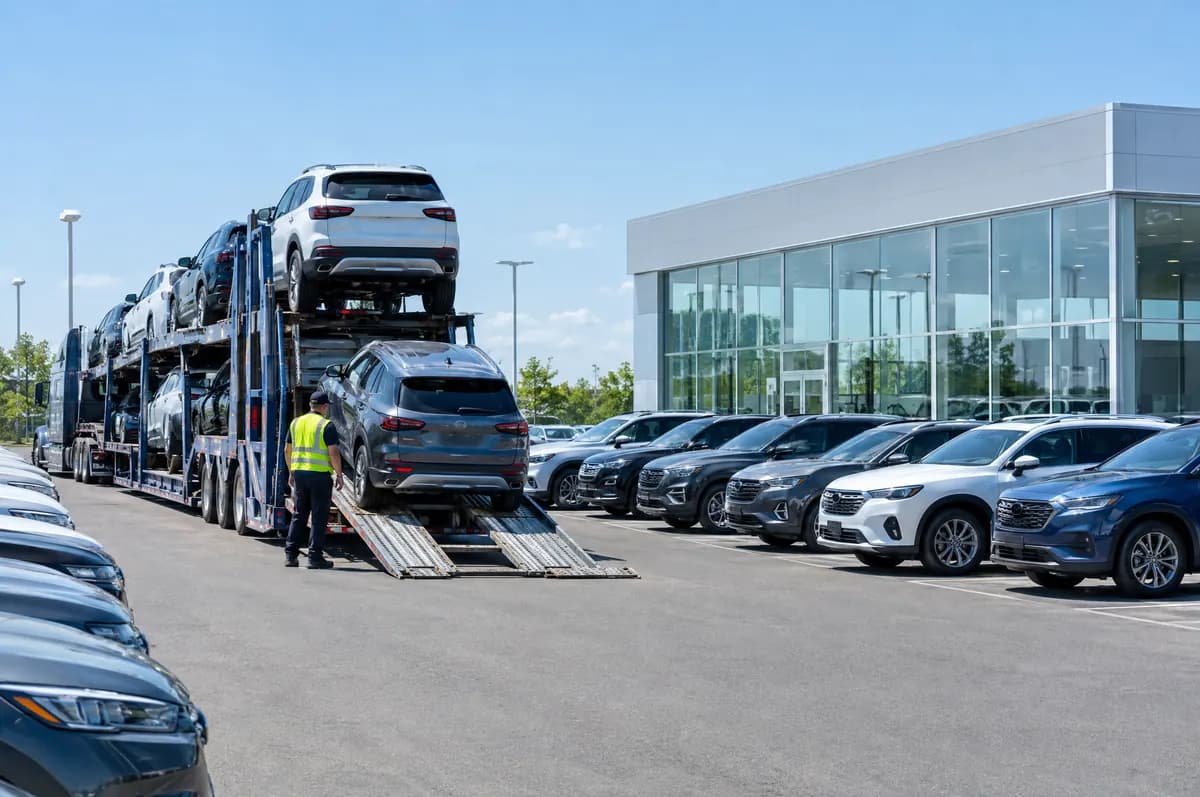
For most cross-country moves, open transport is the right call. It is the standard method, the cheaper option, and the same way new cars reach dealerships. Enclosed transport costs more and makes sense mainly for vehicles that need extra protection.
Open transport
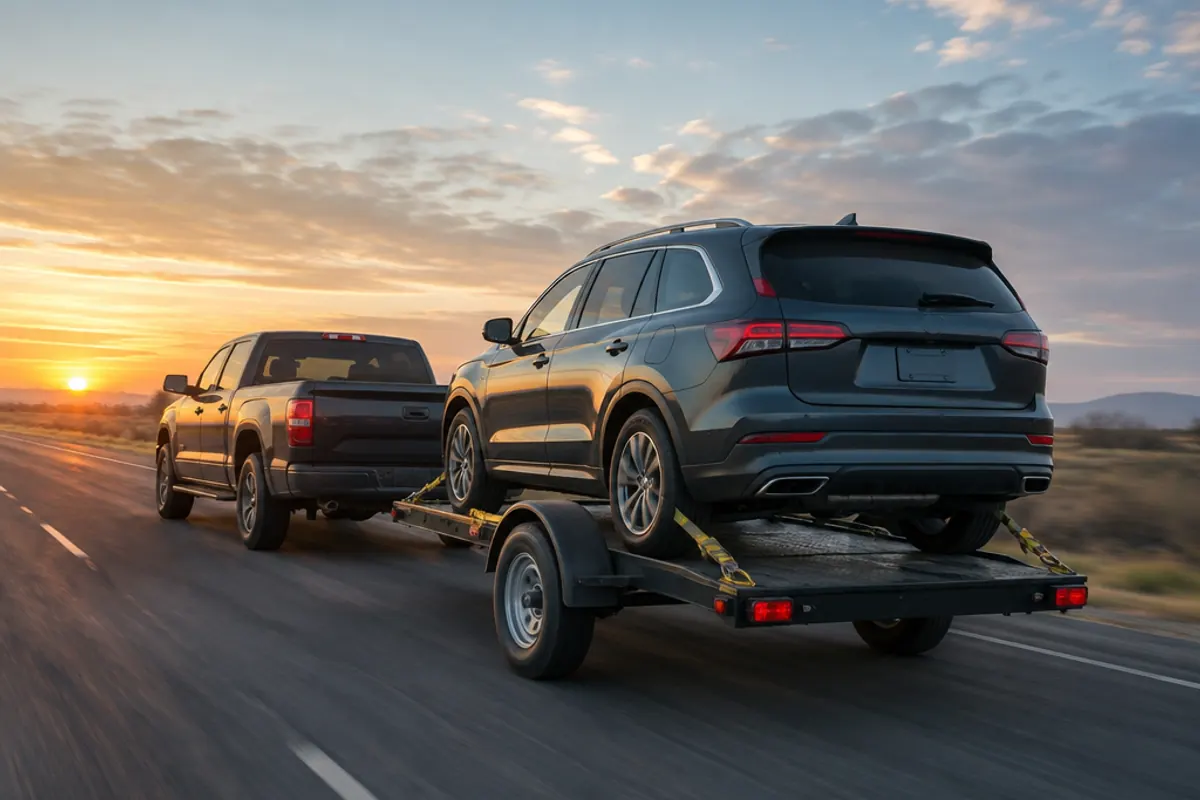
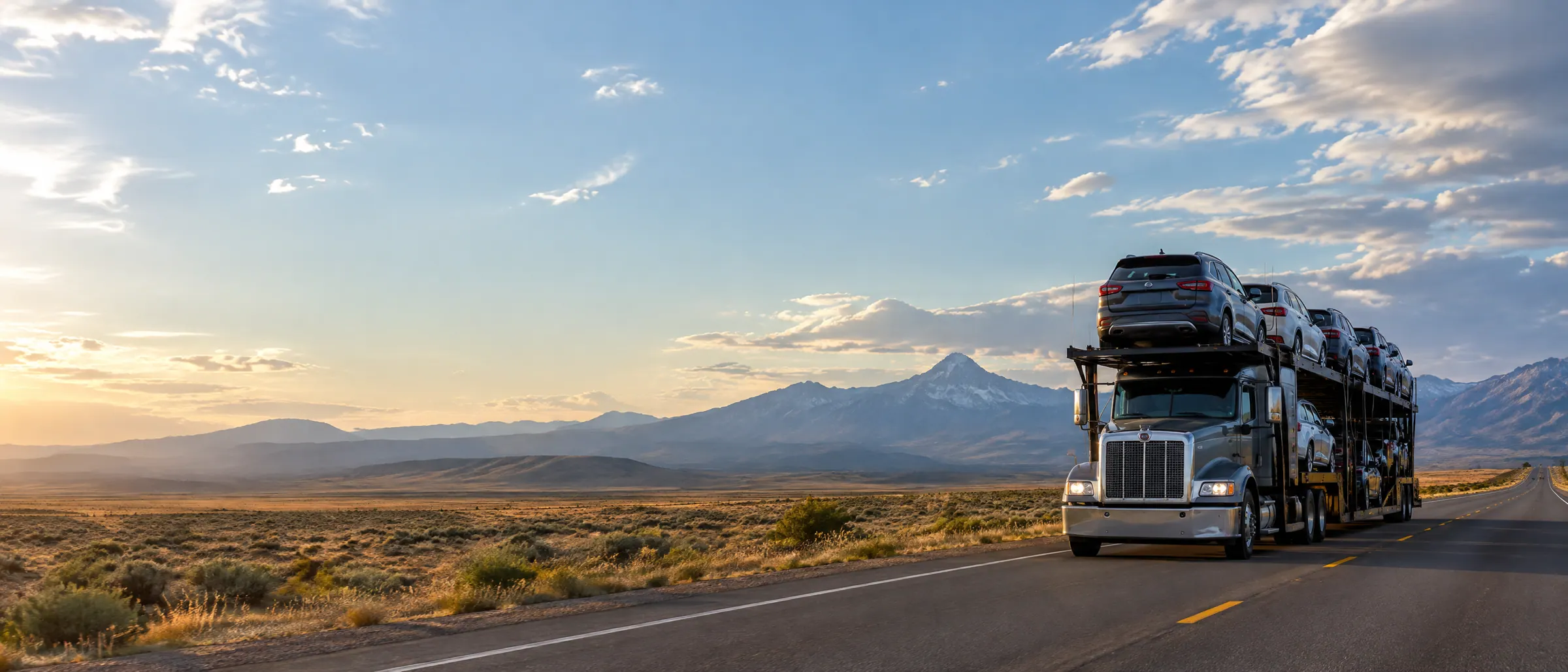
Open carriers haul several cars on a two-level trailer with no walls or roof. Your vehicle rides exposed to weather and road debris, which is fine for everyday sedans, trucks, and SUVs.
Learn moreEnclosed transport
Enclosed carriers seal the cars inside a covered trailer, shielding them from the elements and from view.
Learn more
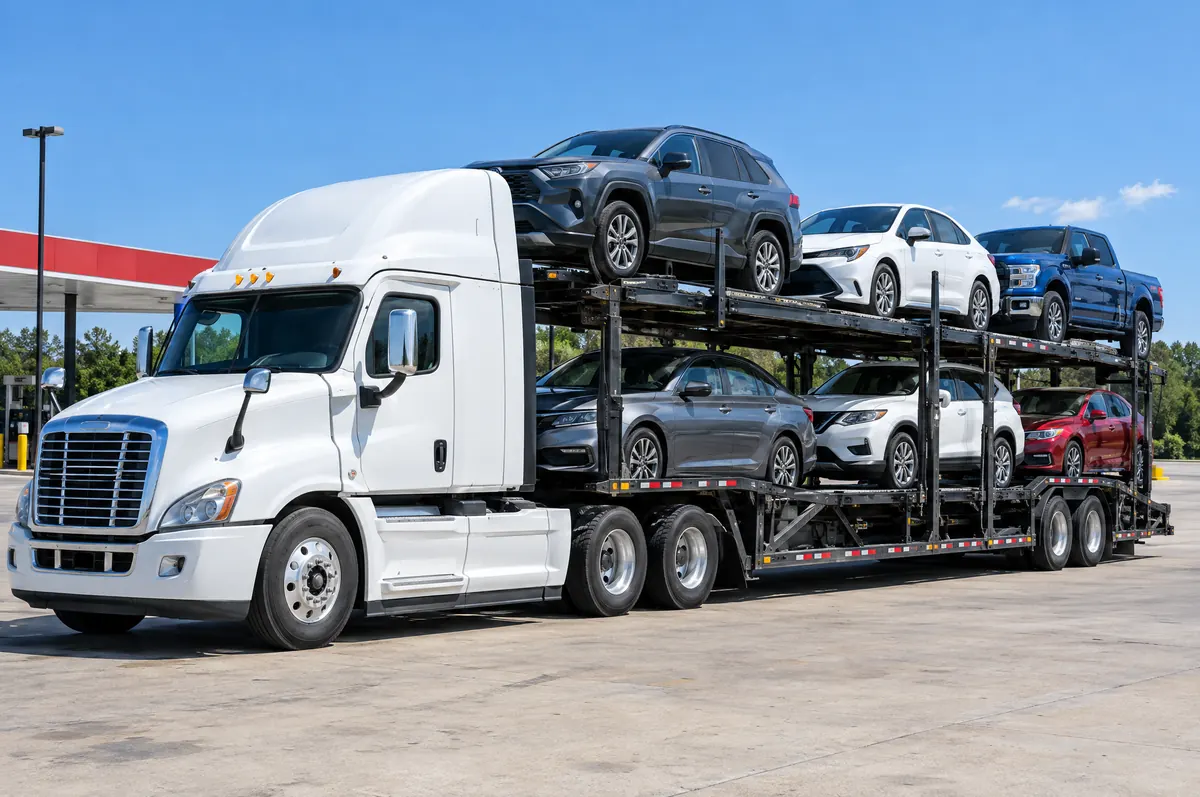
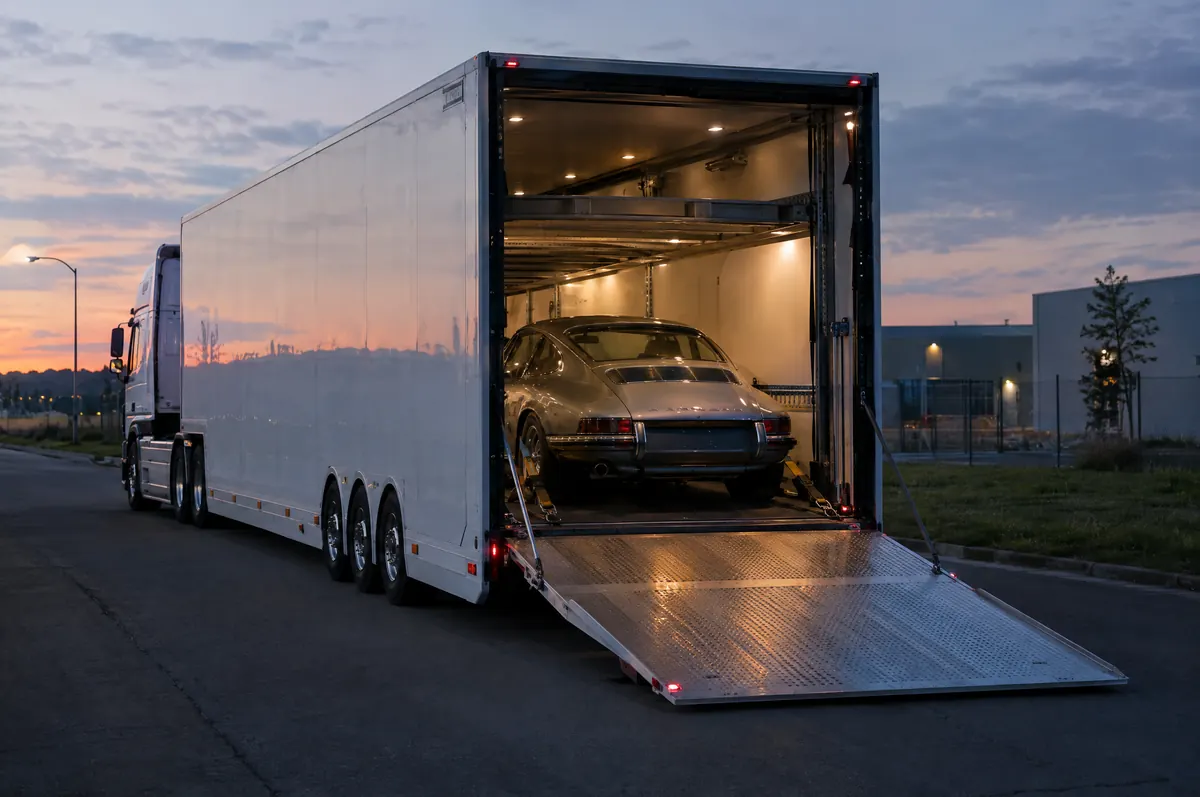
The enclosed premium is significant, generally running well above an open-transport quote for the same route. That extra cost buys protection and, often, higher insurance limits.
Choose enclosed transport when you are shipping a classic, exotic, luxury, or low-clearance car, or any vehicle whose value or sentiment justifies the price. For a replaceable daily driver, open transport is the practical choice. When you compare options on Haulwide, you can see both side by side and decide based on your vehicle and budget.
How Do You Get and Compare Quotes From Multiple Carriers?
Gather at least three quotes before booking, and compare them on more than price alone. The cheapest number is not always the real cost, because low quotes sometimes signal a listing that carriers will not accept at that rate.
Per-mile pricing drops steeply as distance grows, so a coast-to-coast move costs far less per mile than a short regional run even though the total bill is larger. That is why quoting the full route, rather than guessing from a short-trip rate, gives you an accurate picture.
When you request quotes, give each company the same details so the numbers are comparable:
- Exact pickup and delivery locations, including ZIP codes
- Year, make, model, and whether the car runs and rolls
- Open or enclosed transport
- Your earliest available pickup date and any flexibility
- Any modifications, oversized tires, or low ground clearance
Flexible dates are one of the biggest levers on price. Carriers fill trailers along existing routes, so a pickup window of several days almost always beats a fixed single day. Haulwide is built around this: it compares rates across carriers and surfaces cheaper pickup dates so you are not overpaying for a rigid schedule.
Read recent reviews for each company, and separate brokers from carriers. A broker arranges the move with a carrier that owns the truck; both can be legitimate, but you want to know which one you are dealing with and who actually transports the car.
How Do You Book, Schedule Pickup, and Prepare the Vehicle?
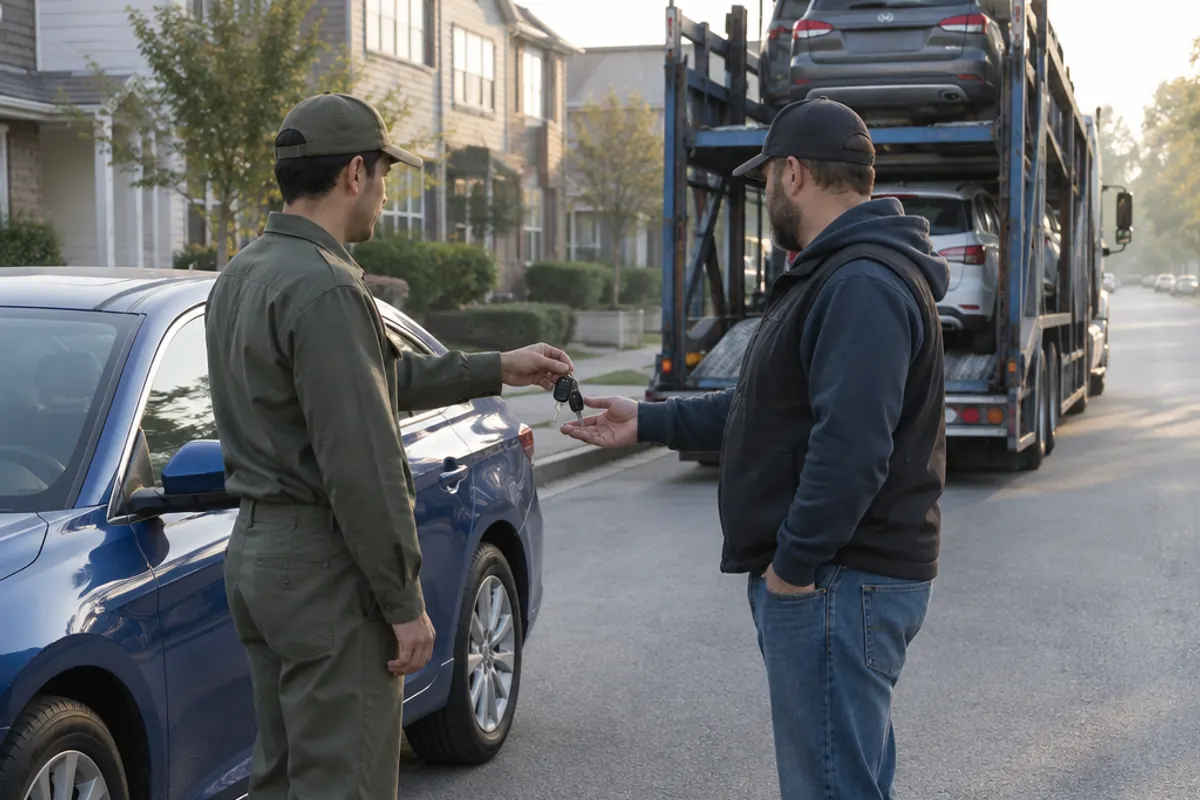
Once you pick a company, confirm the price, pickup window, and insurance coverage in writing before you pay anything. A clear written agreement is your reference point if anything differs from what was promised.
Verifying the carrier is the step people skip, and it matters. Nearly 580,000 active motor carriers are registered with federal regulators, and the large majority operate 10 or fewer trucks, so quality and safety records vary widely (American Trucking Associations, 2025). Confirm the company has an active US DOT or MC number and a clean record through the federal FMCSA SAFER system before you hand over your keys.
After booking, prepare the vehicle so pickup goes smoothly and the inspection is accurate:
- Wash the car so existing scratches and dents are easy to see and photograph
- Remove personal items, toll tags, and parking passes
- Leave about a quarter tank of fuel, enough to load and unload but not heavy
- Check for fluid leaks and note any mechanical quirks for the driver
- Disable aftermarket alarms and fold in mirrors and antennas
- Document existing damage with clear, dated photos from every angle
Keep roughly a quarter tank of gas. A full tank adds unnecessary weight across thousands of miles, and an empty one makes the car hard to move on and off the trailer.
What Happens When You Ship a Car Across the Country?
Once you ship a car across the country, expect the move to take roughly one to two weeks from pickup to delivery after a carrier is assigned. The truck covers long daily distances but also makes stops to load and unload other vehicles along the route, which shapes the timeline.
Transit time depends on the route, weather, traffic, and how many other cars share the trailer. Northern routes in winter and mountain passes can add days, while direct interstate corridors move faster. A door-to-door service brings the car as close to your address as the truck can safely reach, though tight streets may require meeting at a nearby lot.
Communication during transit is reasonable to expect. Ask upfront how the carrier provides updates, whether by text, phone, or a tracking link, and get the driver's direct contact. Many delays are simple weather or routing issues, and a quick call usually clears up questions about timing.
Payment terms vary, so confirm them at booking. Some carriers take a deposit and the balance on delivery, often by cash or certified funds, so you are not caught off guard at the door.
What Belongs on Your Inspection and Delivery Day Checklist?
Your most important task on delivery day is a careful inspection against the pickup condition report. This written document, often called a Bill of Lading, records the car's condition when it left and is your main protection if damage occurred in transit.
Do not rush this step, even in bad light or rain. If the car arrives after dark, use a flashlight and your pickup photos, and note on the paperwork that conditions made inspection difficult.
Work through this checklist at delivery before you sign:
- Compare the car to your dated pickup photos, panel by panel
- Walk the full exterior for new scratches, dents, or chips
- Check the roof, hood, bumpers, and lower rocker panels
- Inspect tires, wheels, mirrors, and glass
- Start the engine and confirm electronics and lights work
- Note any new damage on the Bill of Lading before signing
- Take dated delivery photos regardless of condition
If you find new damage, write it on the Bill of Lading and photograph it before the driver leaves. Signing a clean report can waive your ability to file a claim, so the paperwork matters as much as the inspection itself. Confirmed carrier insurance, verified back at the booking stage, is what backs any claim you need to file.
For a broader, independent overview of the process, Consumer Reports maintains a helpful guide to shipping a car.
Your Next Step
Start by pulling at least three quotes for your exact route and comparing them on price, carrier safety record, and pickup flexibility rather than the lowest number alone. Run your route through Haulwide to compare rates and spot cheaper pickup dates, then book a verified carrier and keep this checklist handy for pickup and delivery day.
Frequently asked questions
How much does it cost to ship a car across the country?
A coast-to-coast open-transport move usually runs in the low four figures, and enclosed transport costs meaningfully more. Price depends on distance, vehicle size, route, season, and how fast you need it.
Car shipping costHow long does cross-country car shipping take?
Most coast-to-coast moves take roughly one to two weeks from pickup to delivery once a carrier is assigned. Weather, traffic, and the carrier's route and other stops all affect the exact timing.
How long does car shipping take?Is open or enclosed car transport better for a long-distance move?
Open transport is the standard, lower-cost option and works well for everyday vehicles. Enclosed transport adds protection from weather and road debris and is worth the premium for classic, luxury, or high-value cars.
Open vs. enclosed car shippingDo I need insurance to ship my car across the country?
Licensed carriers must carry cargo insurance, so confirm the coverage amount in writing before booking. Review your own auto policy too, and document the car's condition at pickup and delivery to support any claim.
Car shipping insuranceHow do I know a car shipping company is legitimate?
Check that the carrier or broker has an active US DOT or MC number and a clean safety record through the FMCSA SAFER system. Read recent reviews and get the full terms, price, and insurance details in writing.
Verify a company
Sources
- Car carrier trailer
- 49 CFR 387.9
- American Trucking Associations: Economics and Industry Data
- FMCSA company snapshot
- FMCSA hours of service
- FMCSA: Protect your move
- Consumer Reports: How to ship a car
Written and reviewed by the Haulwide editorial team. Editorial policy