Table of contents
Quick answer
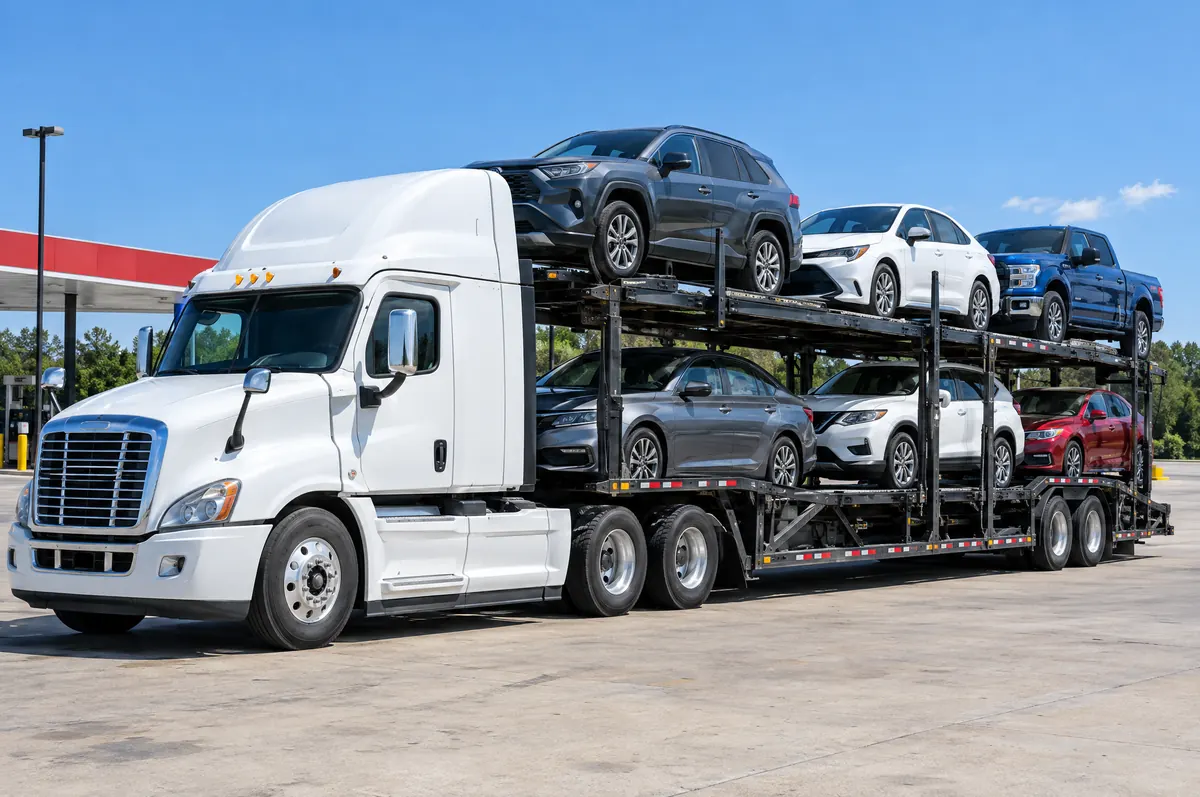
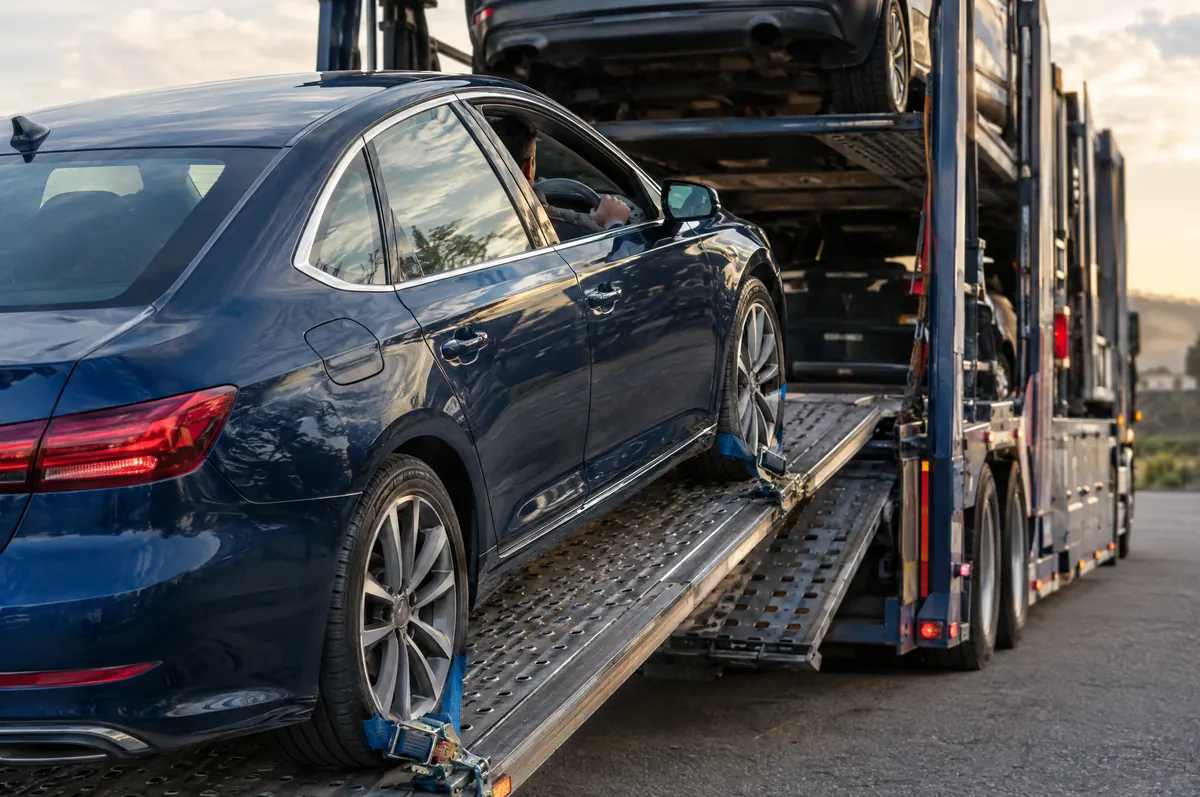
For trips under about 500 miles, driving is almost always cheaper. For cross-country moves the answer flips more often than people expect: once you count fuel, one or more hotel nights, meals, wear on the car and days off work, shipping on an open carrier is often close to or below the full cost of driving, and you arrive rested.
Driving vs. shipping at a glance
Driving looks free because you already own the car, but every mile has a cost. Fuel is the part you notice. Tires, oil, brakes and lost resale value are the parts you pay for later. On a long drive you also pay for hotels and meals, and often for the days you can't work.
The table compares the price range published industry studies give for shipping a standard car on an open carrier with the IRS business mileage rate, which the IRS bases on a yearly study of what it costs to run a car. The IRS figure is a full-cost benchmark, not a quote: your fuel-only cost will be lower, and your total cost could be higher once hotels and time off are added.
| Distance | Open transport (published range) | Typical transit | Driving at the IRS rate |
|---|---|---|---|
| 500 miles | $365 – $945 | 1–2 days | $380 |
| 1,000 miles | $700 – $1,890 | 2–4 days | $760 |
| 1,500 miles | $600 – $2,835 | 3–6 days | $1,140 |
| 2,000 miles | $740 – $3,780 | 4–8 days | $1,520 |
| 2,800 miles | $980 – $5,290 | 6–12 days | $2,128 |
500 miles
- Open transport (published range)
- $365 – $945
- Typical transit
- 1–2 days
- Driving at the IRS rate
- $380
1,000 miles
- Open transport (published range)
- $700 – $1,890
- Typical transit
- 2–4 days
- Driving at the IRS rate
- $760
1,500 miles
- Open transport (published range)
- $600 – $2,835
- Typical transit
- 3–6 days
- Driving at the IRS rate
- $1,140
2,000 miles
- Open transport (published range)
- $740 – $3,780
- Typical transit
- 4–8 days
- Driving at the IRS rate
- $1,520
2,800 miles
- Open transport (published range)
- $980 – $5,290
- Typical transit
- 6–12 days
- Driving at the IRS rate
- $2,128
Sources: IRS standard mileage rates
Shipping ranges come from the published car shipping cost studies Haulwide cites across the site. Your own quote depends on the exact route, season, vehicle and how flexible your dates are.
What driving really costs
Add up these costs for your own trip. Most people underestimate the last three.
| Cost | How to estimate it |
|---|---|
| Fuel | Miles ÷ your car's miles per gallon × the current price per gallon |
| Hotels | Number of nights on the road × a typical room rate on your route |
| Meals | Days on the road × what you usually spend eating out |
| Wear and tear | Tires, oil, brakes and lost resale value; the IRS rate includes these |
| Time off work | Days driving and recovering × your daily pay, if the days are unpaid |
| Return trip | A flight home if you drive the car out and then fly back |
Fuel
- How to estimate it
- Miles ÷ your car's miles per gallon × the current price per gallon
Hotels
- How to estimate it
- Number of nights on the road × a typical room rate on your route
Meals
- How to estimate it
- Days on the road × what you usually spend eating out
Wear and tear
- How to estimate it
- Tires, oil, brakes and lost resale value; the IRS rate includes these
Time off work
- How to estimate it
- Days driving and recovering × your daily pay, if the days are unpaid
Return trip
- How to estimate it
- A flight home if you drive the car out and then fly back
What shipping costs
Shipping price depends mostly on distance, but the per-mile rate falls as trips get longer, which is why long routes are where shipping competes best with driving.
- Open transport is the lowest-cost option and fine for most everyday cars
- Enclosed transport costs about 30% to 60% more on long routes in the published studies
- Larger vehicles such as pickups cost more because they take more space and weight
- Flexible pickup dates and major-city pickup points usually lower the price
When driving makes more sense
- The trip is short, roughly one day of driving
- You need the car on day one at your new home
- Your car is old or inexpensive, so extra miles cost little in lost value
- Several people are riding along and would otherwise need flights
- You want the road trip itself
When shipping makes more sense
- The move is cross-country or takes more than two days of driving
- You are flying, so you'd otherwise pay for a one-way trip back
- The car is new, leased or has a mileage limit
- You are moving more than one car
- Winter weather or mountain passes make the drive risky
- Your time off work is limited or unpaid
A simple way to decide
- Get a real shipping priceRequest quotes for your route and dates, not a national average.
- Price your driveAdd fuel, hotels, meals and any unpaid days off, using the table above.
- Add the hidden costsInclude wear on the car and any flight back. The IRS rate is a fair check on the total.
- Compare the timeShipping takes longer end to end, but you spend those days working or settling in.
Worked example: a 2,800-mile move
Take a coast-to-coast move of about 2,800 miles. At the IRS business rate, driving the car costs about $2,128 once fuel, maintenance, tires, insurance and lost value are counted. The published range for shipping a standard car that distance on an open carrier is shown in the table above, and it overlaps that figure.
Now add what the IRS rate leaves out. At 500 miles a day you'd spend about six days driving and five nights in hotels, plus meals for everyone in the car. If those days are unpaid, add the lost pay. If you'd otherwise fly, subtract the flight you no longer need, because you'll be in the car instead.
- Driving wins when you have the time, the car is inexpensive and you're carrying passengers or belongings
- Shipping wins when your time is valuable, the car is newer or leased, or the route crosses mountains or winter weather
- It's close when you'd fly either way: then compare the shipping quote with fuel, hotels and meals only
Costs people forget on a long drive
- Tolls on turnpikes and express lanes
- Parking at hotels in large cities
- Pet-friendly room fees if pets travel with you
- An oil change or new tires due sooner because of the extra miles
- Childcare or pet boarding if part of the family flies ahead
- A rental car or rideshares at the destination if you ship instead
Frequently asked questions
Is it cheaper to drive or ship a car across the country?
It depends on your car and your time. Fuel alone is usually cheaper than shipping, but once you add hotels, meals, wear on the car and days off work, shipping on an open carrier is often similar in cost or cheaper for coast-to-coast moves.
Cost calculatorHow much does it cost to drive a car per mile?
The IRS business standard mileage rate, based on a yearly study of the fixed and variable costs of running a car, is 76 cents a mile from July 1, 2026. Your out-of-pocket cost for fuel alone is lower.
Is it worth shipping a car 500 miles?
Usually not, unless you can't drive it yourself. A 500-mile drive takes about a day, while shipping still takes a pickup window plus a day or two on the truck.
Is shipping slower than driving?
Yes, end to end. Shipping adds a pickup window before the truck leaves, and trucks drive fewer miles a day than a car. You can fly and be settled before the car arrives.
How long car shipping takesDoes shipping a car add miles to it?
Only a few, from driving it on and off the truck. That matters for leased cars with mileage limits and for keeping resale value.
Can I ship one car and drive the other?
Yes. Many families drive one car with their belongings and ship the second, which saves a flight back and a second driver.
Is a one-way rental cheaper than shipping my car?
Sometimes, but you'd still need to get your own car there. A one-way rental only replaces shipping if you're leaving your car behind or selling it.
Should I drive across the country in winter?
Only if you're comfortable with snow, ice and closed mountain passes. Many people ship in winter to avoid the risk, and book early because northern routes slow down.
Best time to ship a car
Sources
Written and reviewed by the Haulwide editorial team. Editorial policy