Table of contents
Quick answer
The bill of lading (BOL) is the carrier's receipt for your car and your record of its condition. At pickup, check that your details are right and that every existing scratch and dent is marked before you sign. At delivery, inspect the car again, write any new damage on the BOL before signing, photograph it and keep your copy. A clean signature at delivery makes a later damage claim much harder.
Watch: Car Shipping Pickup: The 2-Minute Inspection That Protects You
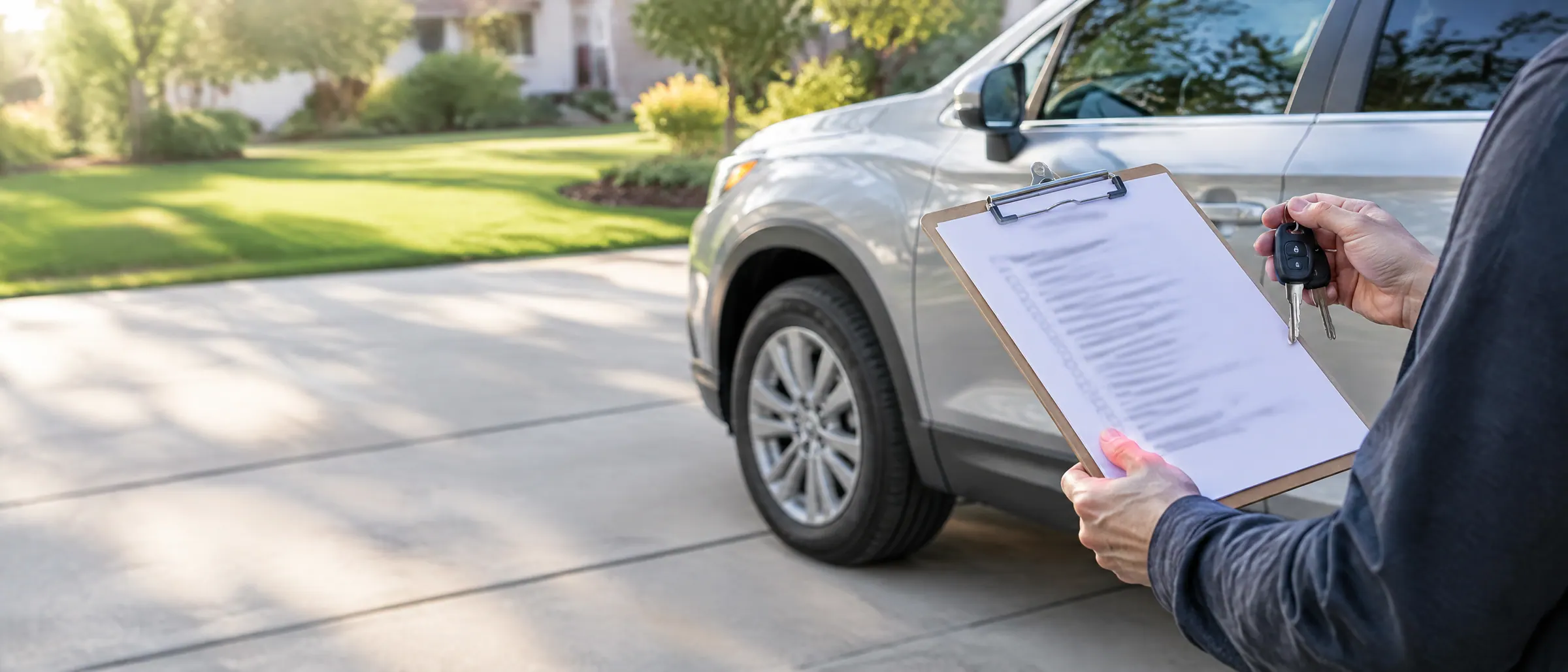
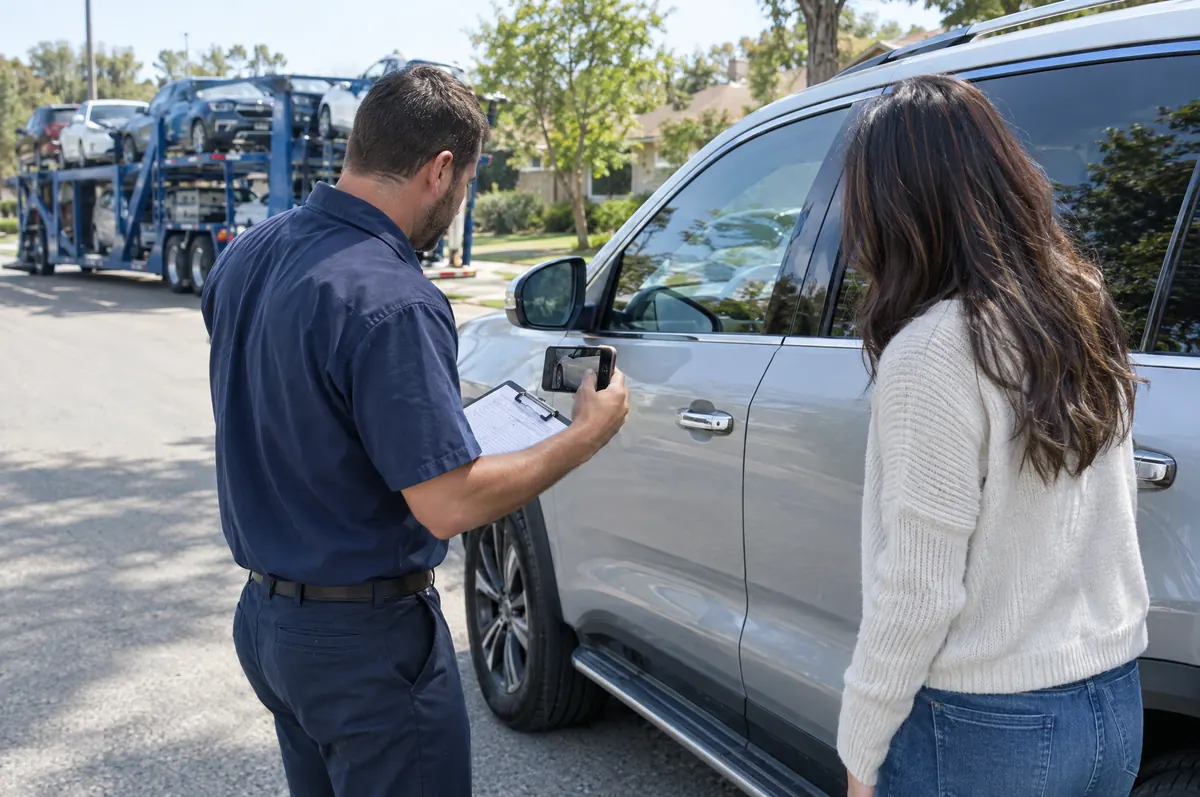
The inspection at pickup is your only record of what your car looked like before it went on the truck. Walk around it with the driver, photograph every side, and check the bill of lading before you sign.
What a bill of lading is
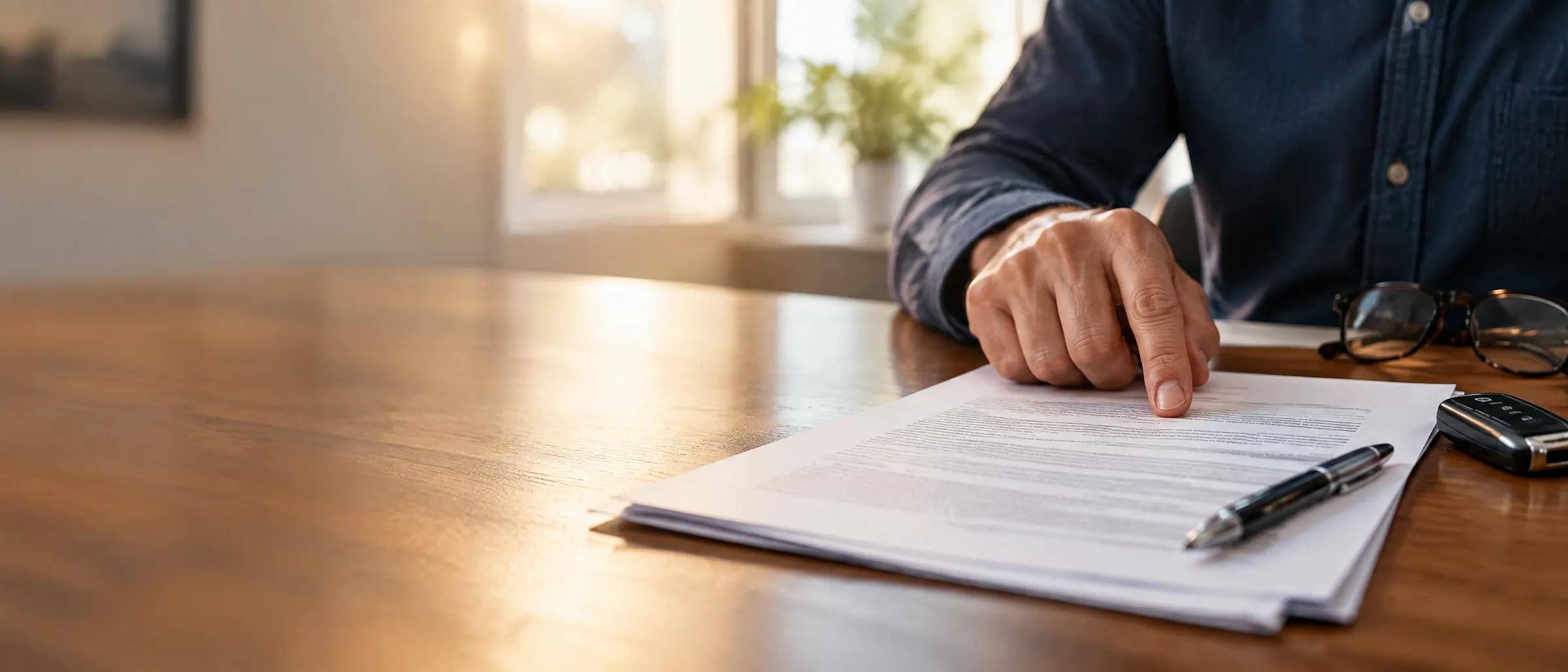
A bill of lading is the document a carrier gives you when it takes your car. It works as a receipt, a condition report and a record of the terms of transport. You sign it twice: once when the driver loads the car and once when you accept it at delivery.
Car carriers add a vehicle diagram where the driver marks existing damage, along with the odometer reading and any notes about the car's condition. Many drivers now use an electronic BOL on a phone or tablet with photos attached.
What your bill of lading should include
| Item | What to check |
|---|---|
| Carrier name and USDOT or MC number | Matches the carrier your broker assigned |
| Your name and the receiver's name | Spelled correctly, with working phone numbers |
| Pickup and delivery addresses | Match your order |
| Vehicle | Year, make, model, color and VIN |
| Condition report | Every existing mark is shown on the diagram |
| Odometer reading | Recorded at pickup |
| Price and balance due | Matches your order |
| Signatures and date | Yours and the driver's, at both pickup and delivery |
Carrier name and USDOT or MC number
- What to check
- Matches the carrier your broker assigned
Your name and the receiver's name
- What to check
- Spelled correctly, with working phone numbers
Pickup and delivery addresses
- What to check
- Match your order
Vehicle
- What to check
- Year, make, model, color and VIN
Condition report
- What to check
- Every existing mark is shown on the diagram
Odometer reading
- What to check
- Recorded at pickup
Price and balance due
- What to check
- Matches your order
Signatures and date
- What to check
- Yours and the driver's, at both pickup and delivery
Sources: 49 CFR 373.101
At pickup: inspect before you sign
- Wash the car firstDirt hides scratches, so a clean car makes the inspection accurate.
- Walk around with the driverCheck panels, bumpers, glass, wheels and the roof in good light.
- Compare the diagramMake sure every existing mark is recorded, and nothing extra.
- Take your own photosPhotograph every side, the roof, the wheels, the interior and the odometer, with the time shown.
- Sign and keep a copyGet a paper or digital copy before the truck leaves.
At delivery: inspect again
- Inspect in daylight or bring a strong flashlight
- Compare the car with your pickup photos, panel by panel
- Check under the bumpers and along the lower edges
- Start the car and check the odometer
- Write any new damage on the BOL, even if it seems minor
- Photograph the damage and the signed BOL before the driver leaves
Mistakes that can cost you a claim
- Signing a blank or incomplete bill of lading
- Accepting the car at night without an inspection
- Letting someone else accept delivery without telling them what to check
- Leaving without your copy
- Not writing down damage because the driver says to "call it in later"
How to photograph your car properly
Photos are your independent record if the bill of lading and your memory disagree. Take them just before the driver arrives, and again at delivery from the same angles.
- All four sides from a few steps back, then each corner
- Close-ups of any existing scratches, chips or dents
- The roof, which is easy to forget and exposed on open trucks
- Wheels and the lower edges of the bumpers
- The windshield and all glass
- The dashboard with the odometer and any warning lights
- The interior and trunk, to show they are empty
Reading the condition report
Many carriers mark damage on a car diagram with short letter codes, and print a key on the form. Common examples include letters for scratches, dents, chips, cracks, broken or missing parts and rust. Ask the driver to explain any mark you don't understand before you sign.
- Every mark should match something you can see on the car
- Nothing should be marked on a panel you know is clean
- Vague notes such as “car dirty, subject to inspection” deserve a question
If you can't be there in person
You can have a friend, family member or dealership release or receive the car. Give them your pickup photos, a copy of the order and clear instructions to inspect the car and write any new damage on the bill of lading before signing.
How long to keep your bill of lading
Keep your signed copy, your photos and your order until you're sure you won't need to make a claim. For interstate shipments, federal law gives you at least 9 months to file a claim, so keeping records for at least that long is sensible.
Frequently asked questions
What is a bill of lading in car shipping?
It is the carrier's receipt for your car and the record of its condition at pickup and delivery. You and the driver sign it at both ends.
Who gives me the bill of lading?
The carrier's driver, at pickup. Brokers don't issue it because they don't handle the car.
What if I find damage after the driver leaves?
Photograph it right away and contact the carrier and your broker in writing the same day. It is harder to prove, which is why inspecting before you sign matters.
Filing a damage claimIs an electronic bill of lading valid?
Yes. Many carriers use apps that record photos and signatures. Make sure you receive a copy by email or text before the driver leaves.
Can someone else sign for my car?
Yes, if you arrange it. Tell them how to inspect the car and to note any new damage before signing.
What if I lose my copy?
Ask the carrier or your broker for a copy right away. Keep your own photos as backup.
Can I refuse to sign the bill of lading?
You can refuse to sign something that's wrong. Ask the driver to correct it, or write your own notes on it before signing.
Why does the bill of lading record the odometer?
It shows how many miles the car had at pickup, so any unexpected miles at delivery can be spotted and questioned.
Sources
Written and reviewed by the Haulwide editorial team. Editorial policy