Table of contents
Quick answer
Check the car's title history and open recalls, get an independent inspection, and make sure the seller signs over the title with an odometer disclosure. Taxes and registration are generally handled in the state where you'll register the car, so check both states' rules. Then either drive it home on a temporary permit or have it shipped, inspecting it at delivery before you sign.
Check the car before you commit
- Match the VIN on the car, the title and the listing
- Look for salvage, flood or rebuilt brands on the title
- Compare the odometer reading with the history report
- Ask for service records and the reason for selling
- Search the VIN for open recalls
Get an independent inspection
You can't test drive a car a thousand miles away, so a pre-purchase inspection by an independent mechanic near the seller is the next best thing. Many mobile inspection services will visit the car and send photos and a report.
- Choose an inspector the seller didn't recommend
- Ask for photos of the underbody, tires and any rust
- Have warning lights and diagnostic codes read
- Ask for a short test drive by the inspector
Paperwork you need
| Document | Why you need it |
|---|---|
| Signed title | Proves the seller transferred ownership to you |
| Lien release | Shows any loan on the car has been paid off |
| Bill of sale | Records the price, date and both parties |
| Odometer disclosure | Required for most vehicles when ownership changes |
| Buyers Guide (dealer sales) | Shows warranty or as-is terms on a used car |
| Temporary tag or transit permit | Lets the car be driven legally before registration |
Signed title
- Why you need it
- Proves the seller transferred ownership to you
Lien release
- Why you need it
- Shows any loan on the car has been paid off
Bill of sale
- Why you need it
- Records the price, date and both parties
Odometer disclosure
- Why you need it
- Required for most vehicles when ownership changes
Buyers Guide (dealer sales)
- Why you need it
- Shows warranty or as-is terms on a used car
Temporary tag or transit permit
- Why you need it
- Lets the car be driven legally before registration
Sources: NHTSA: Odometer disclosure, FTC Used Car Rule
Sales tax and registration
In general, you register the car and pay any sales or use tax in the state where you live, not where you bought it. Some dealers collect your home state's tax for you; private sellers usually don't. Some states give credit for tax already paid elsewhere, so keep your receipts.
- Ask your home state's DMV which taxes and fees apply
- Check whether a dealer will collect your state's tax
- Find out whether your state needs a VIN check or emissions test
- Register within your state's deadline after the car arrives
Getting the car home: drive or ship
Fly out and drive back
Good for shorter distances and a chance to test the car.
- Needs a temporary tag or permit
- Adds miles and wear
- Costs flights, fuel and hotels
Ship it
The car comes to you while you stay home.
- No travel needed
- Inspect it at delivery
- Book once payment and title are settled
Arranging shipping from a seller
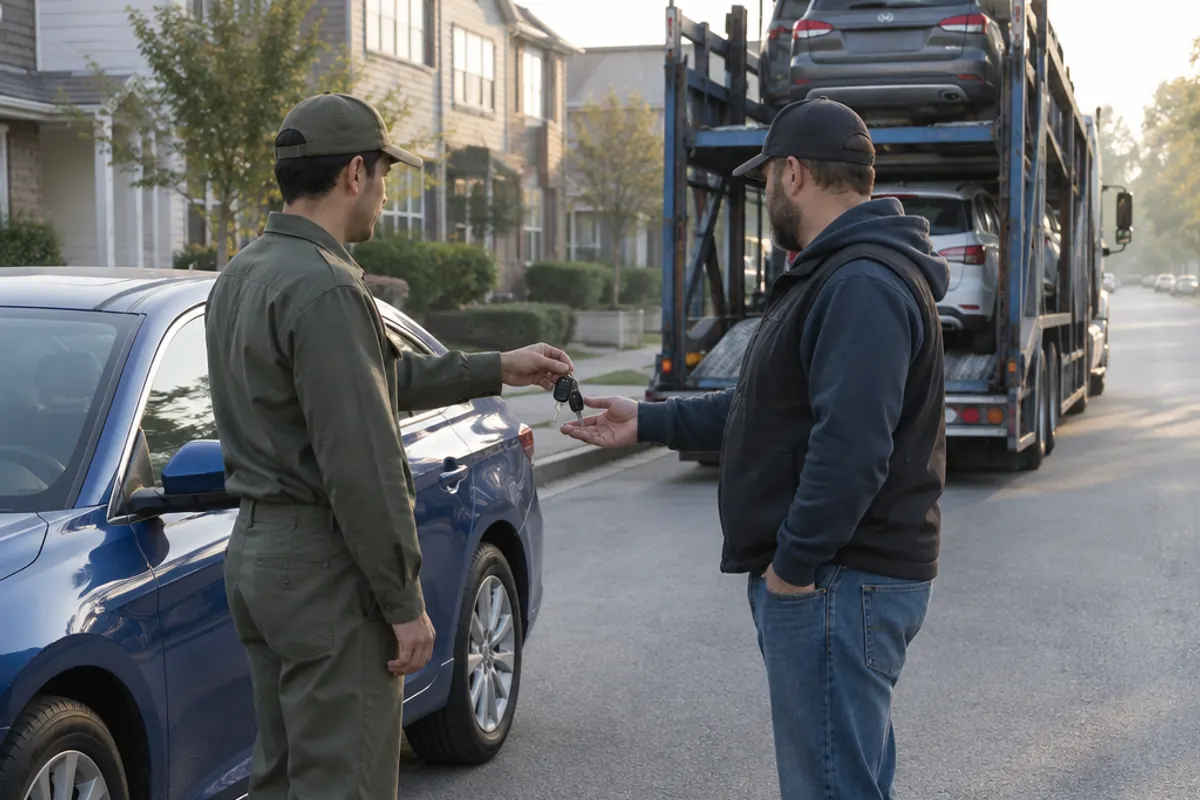
- Settle payment and title firstBook the truck once the car is legally yours and paid for.
- Agree on the handoffConfirm who will release the car, when, and where a truck can reach it.
- Tell the shipper the detailsPickup contact, whether the car runs, and any keys or paperwork.
- Ask for pickup photosThe seller or driver can send photos of the condition report.
- Inspect at deliveryCheck the car before signing the bill of lading.
Avoiding out-of-state car scams
- A price far below similar cars, with pressure to pay quickly
- A seller who can't meet, video call or show the car to an inspector
- Requests for wire transfers, gift cards or cryptocurrency
- A seller who insists on their own “shipping company” you can't verify
- A title in someone else's name
Paying for the car safely
- Pay a dealer through its normal channels and get a receipt
- For private sales, consider meeting at the seller's bank or using an escrow service you verified yourself
- Don't pay until you have the signed title, or a clear plan for receiving it
- Get a signed bill of sale with the VIN, price and date
When the car arrives
- Inspect before signingCompare the car with the listing and inspection photos, and note any new damage on the bill of lading.
- Check the paperworkMake sure the title, bill of sale and any lien release are with you or on the way.
- Insure the carAdd it to your policy before you drive it.
- Register itVisit your DMV with the title, bill of sale, proof of insurance and ID.
- Fix open recallsBook a dealer appointment for any open recall; recall repairs are free.
Frequently asked questions
Do I pay sales tax in the state where I buy the car?
Usually you pay tax where you register the car. Some dealers collect your home state's tax; others don't. Check with your state's DMV or tax agency.
Can I drive a car home from another state before registering it?
Often yes, with a temporary tag or in-transit permit and insurance. Rules vary, so check both states before you travel.
How do I inspect a car in another state?
Hire an independent mechanic or mobile inspection service near the seller, and ask for photos and a written report.
How can I check a car's history?
Use an approved NMVTIS data provider for title, odometer and brand history, and NHTSA's free lookup for open recalls.
When should I book shipping for a car I bought?
After payment clears and the title is transferred to you, so the seller can release the car on pickup day.
Should I use the seller's shipping company?
Only if you can verify its USDOT or MC number yourself. Sellers pushing a specific shipper they won't let you check is a common scam sign.
Verify a companyDoes a used car from a dealer come with a warranty?
Check the Buyers Guide on the window. It shows whether the car has a warranty or is sold as is.
Will an out-of-state dealer ship the car to me?
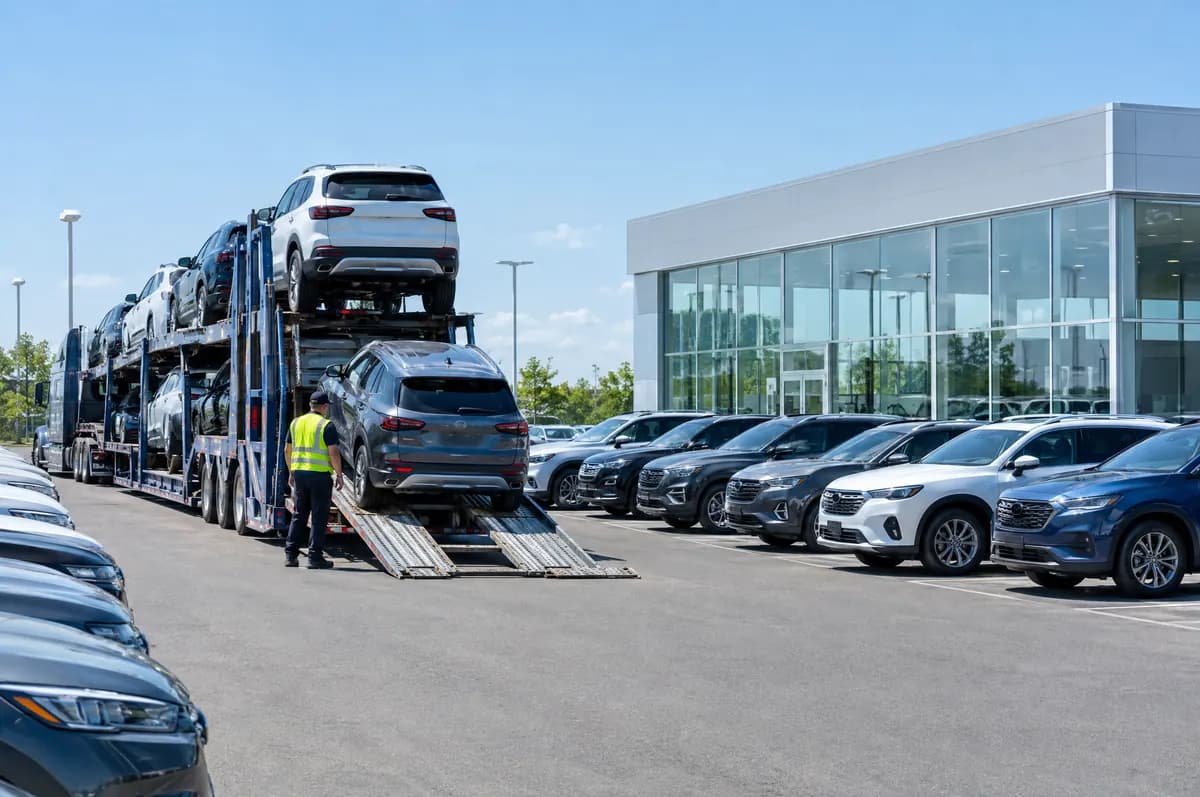
Many dealers can arrange shipping or release the car to a carrier you book. Either way, verify the carrier and inspect the car at delivery.
Shipping from a dealership
Sources
- NMVTIS: For consumers
- NHTSA recalls
- FTC Used Car Rule
- NHTSA: Odometer disclosure
- USAGov: State motor vehicle services
- New York DMV: In-transit permits
- FTC consumer advice
Written and reviewed by the Haulwide editorial team. Editorial policy