Table of contents
Quick answer
Motorcycles ship on open or enclosed trailers secured with wheel chocks and soft straps, or in a crate. Choose a company with motorcycle equipment and experience, verify its authority and insurance, and prepare the bike: clean and photographed, accessories removed, fuel low, tires and battery checked and any leaks fixed. Inspect the bike with the driver at pickup and delivery, and note any damage on the bill of lading before signing.
Ways to ship a motorcycle
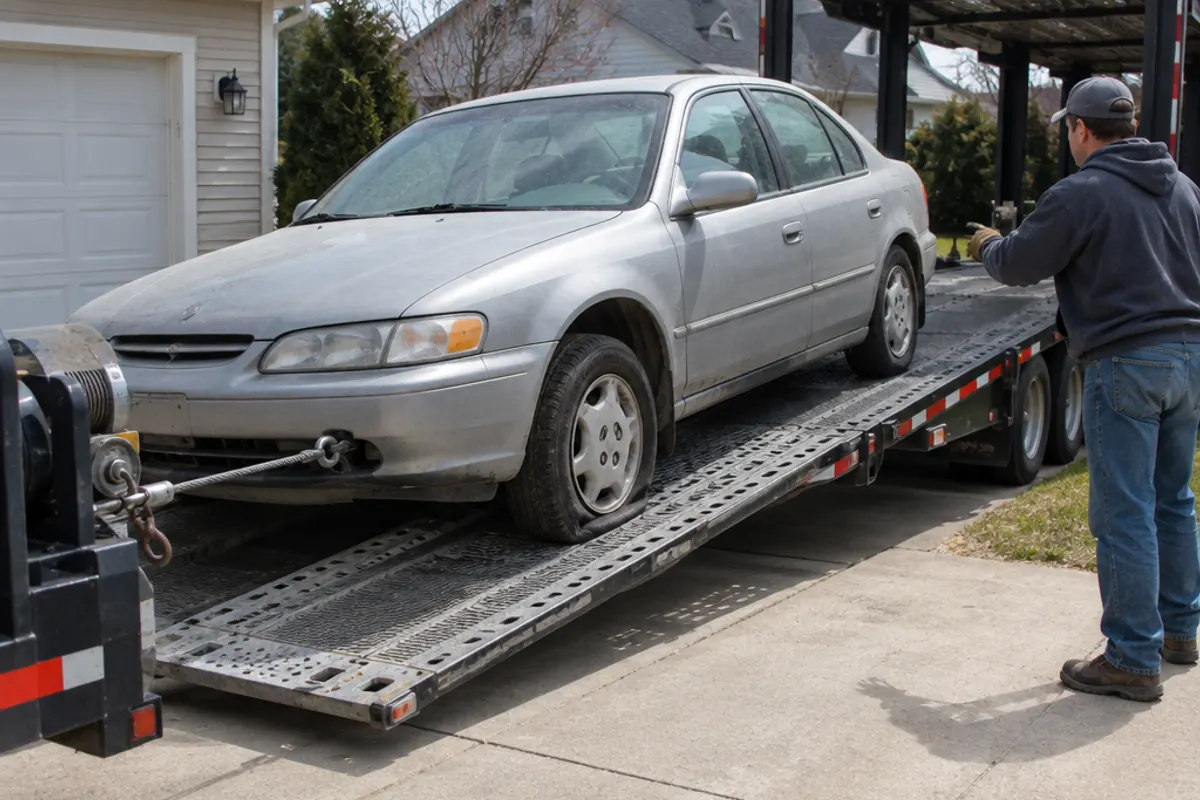
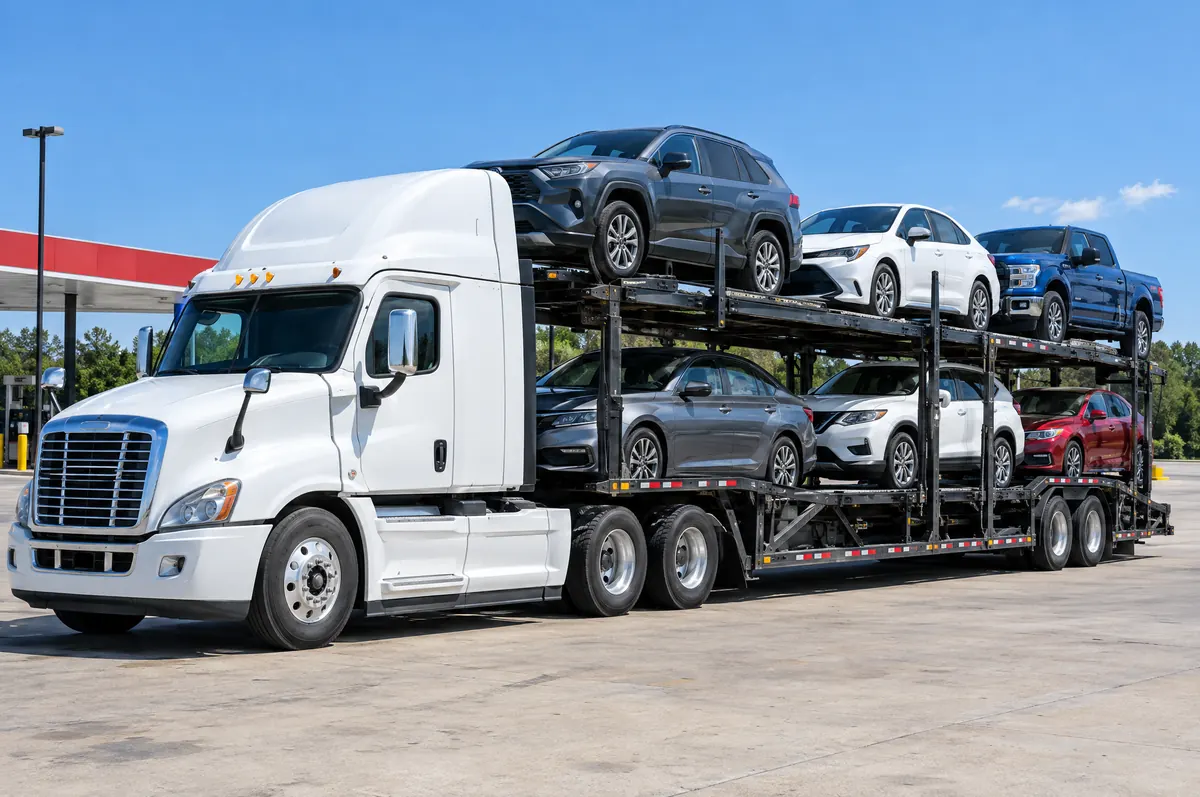
Open trailer
The bike rides on an open trailer, often alongside cars or other bikes.
- Usually the most available option
- Exposed to weather and road dust
- Needs proper chocks and tie-downs
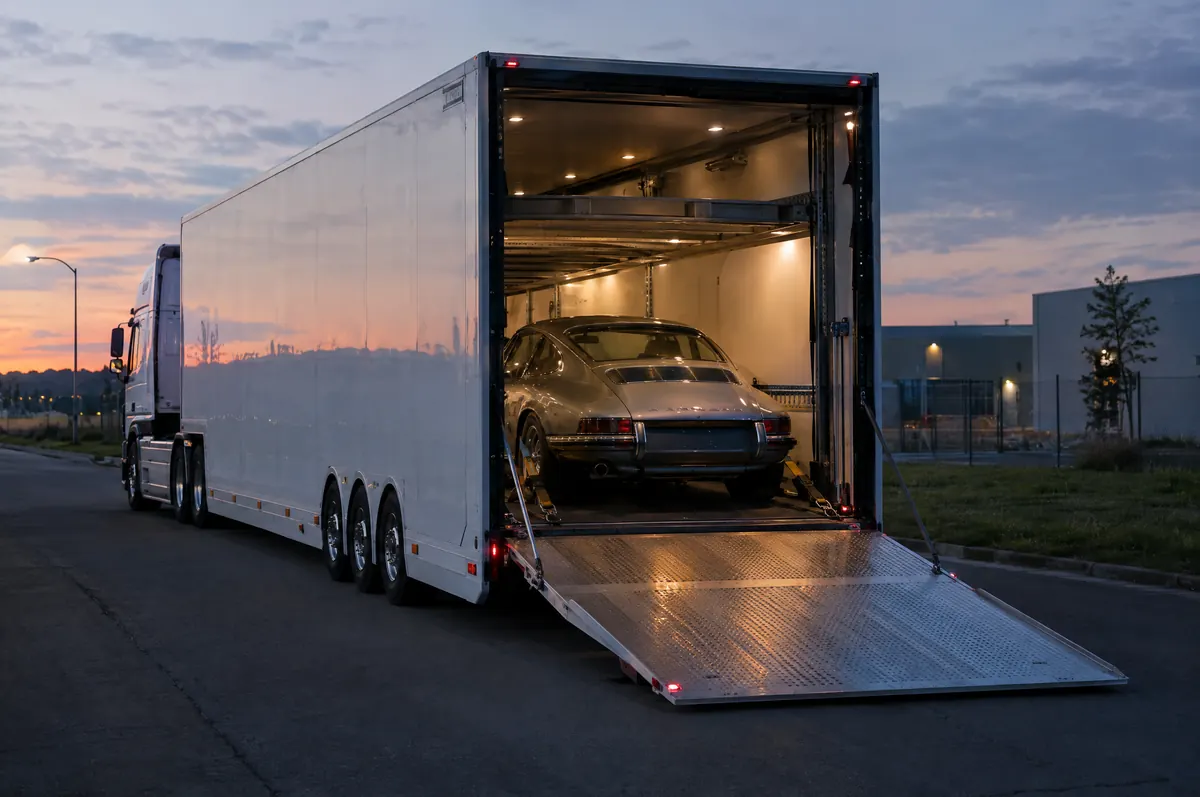
Enclosed trailer
The bike rides inside a covered trailer.
- Protection from weather and debris
- Good for custom, vintage and high-value bikes
- Fewer trucks, so book earlier
Crated
The bike is strapped inside a crate or on a pallet.
- Extra protection for long or complex routes
- May require some disassembly
- Takes more preparation
Choosing a motorcycle shipper
Not every car carrier can move a motorcycle safely. A bike needs wheel chocks, soft tie-downs that don't scratch paint or bend parts, and a driver who knows where to strap it.
- Ask whether the company moves motorcycles regularly
- Ask what securing equipment the driver uses
- Verify the carrier's USDOT or MC number
- Ask for the certificate of insurance and its cargo limit
- Get the pickup window, price and payment terms in writing
Preparing your motorcycle
- Wash the bike so every mark is visible
- Photograph it from every side, plus the tank, fairings and odometer
- Remove saddlebags, GPS units, covers and loose accessories
- Run the fuel low, following the shipper's instructions
- Check tire pressure and fix any fluid leaks
- Make sure the battery is charged, and ask whether to disconnect it
- Turn off or tell the driver about the alarm
- Hand over one key and keep the rest
Shipping a motorcycle that doesn't run
A non-running bike can still ship, but the driver needs to know in advance so they can bring help or equipment to load it. Make sure the wheels roll and the brakes work, and tell the company about any missing parts.
Pickup and delivery
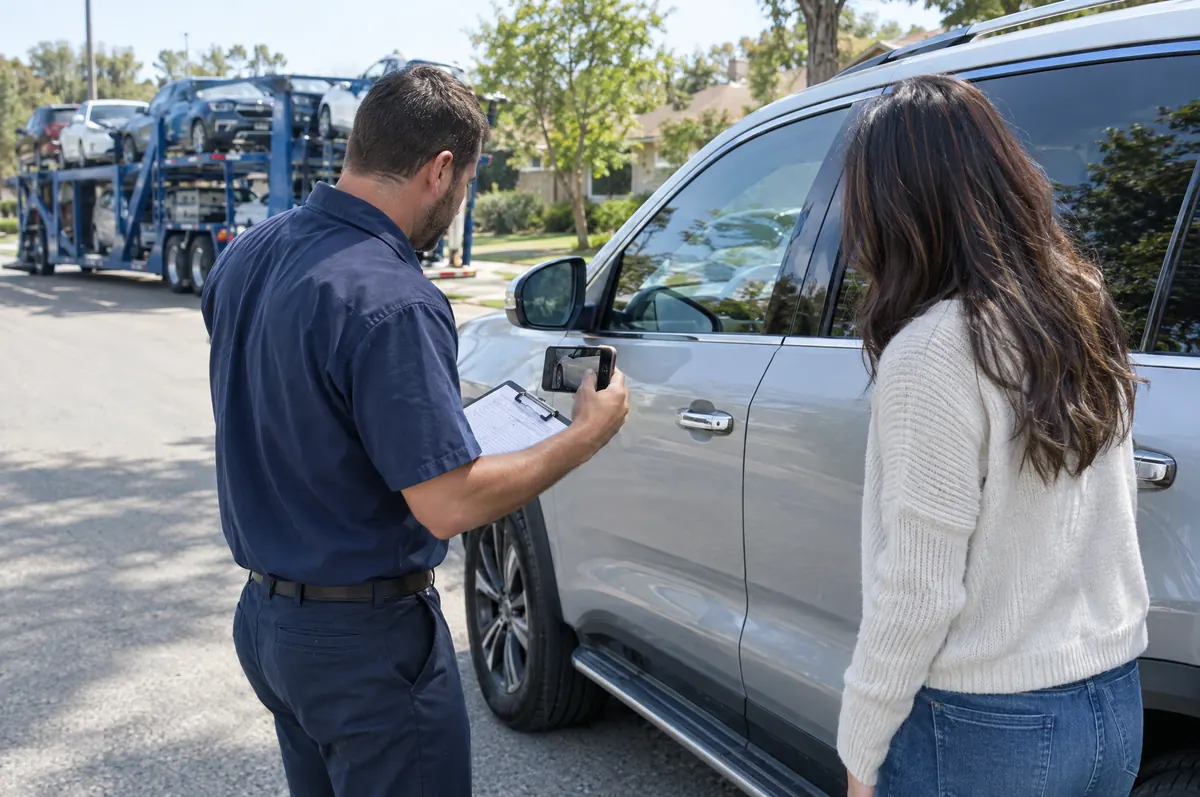
- Check the condition report against the bike before signing
- Watch how the bike is loaded and secured
- At delivery, inspect the tank, fairings, mirrors, levers and wheels
- Note any new damage on the bill of lading before signing
- Photograph the bike and the signed bill of lading
What affects the cost
Haulwide doesn't publish motorcycle shipping prices, because the studies we cite don't break them out. These are the factors that change your quote.
| Factor | Why it matters |
|---|---|
| Distance | Longer trips cost more in total |
| Open, enclosed or crated | Enclosed and crated shipping take more space or work |
| Bike size | Touring bikes and trikes take more room than small bikes |
| Running condition | Non-running bikes need extra handling |
| Pickup and delivery locations | Hard-to-reach addresses cost more |
| Season and dates | Busy months and tight dates raise prices |
Distance
- Why it matters
- Longer trips cost more in total
Open, enclosed or crated
- Why it matters
- Enclosed and crated shipping take more space or work
Bike size
- Why it matters
- Touring bikes and trikes take more room than small bikes
Running condition
- Why it matters
- Non-running bikes need extra handling
Pickup and delivery locations
- Why it matters
- Hard-to-reach addresses cost more
Season and dates
- Why it matters
- Busy months and tight dates raise prices
Paperwork and after delivery
- Keep your registration and insurance current during shipping
- Keep your order, receipts and bill of lading until any claim is settled
- If you moved, register the bike within your new state's deadline
- Check for open recalls before your first long ride
Motorcycles to Hawaii and Alaska
Motorcycles can travel by sea too. The Alaska Marine Highway carries vehicles from motorcycles up, and ocean carriers set their own rules for bikes, including fuel and battery requirements. Electric motorcycles may face the same restrictions as electric cars, so ask first.
Common motorcycle shipping mistakes
- Booking a carrier that has no motorcycle chocks or soft straps
- Leaving saddlebags, covers or a GPS on the bike
- Skipping photos of the tank, fairings and mirrors
- Not telling the company the bike doesn't run
- Signing the bill of lading before inspecting the bike
- Choosing the lowest quote without checking the company
Frequently asked questions
How are motorcycles shipped?
On open or enclosed trailers, secured with wheel chocks and soft straps, or packed in a crate for extra protection.
What's the safest way to ship a motorcycle?
Enclosed shipping with proper motorcycle equipment offers the most protection, especially for custom, vintage or high-value bikes.
Should the gas tank be empty?
Usually it should be low rather than bone dry. Follow your shipper's instructions, which vary by company and method.
Can I leave saddlebags or gear on the bike?
It's best to remove saddlebags, covers and loose gear. They can shift or be lost, and carrier insurance usually doesn't cover them.
Can a regular car carrier ship my motorcycle?
Only if it has the right equipment and experience. Ask how the bike will be secured before you book.
Should I disconnect the battery?
Some shippers ask you to, others don't. Make sure it's charged, and follow the company's instructions.
Is my motorcycle insured during shipping?
The carrier's cargo insurance covers damage it causes. Ask for the certificate, and check whether your own policy also covers the bike in transit.
Car shipping insuranceHow much does it cost to ship a motorcycle?
It depends on distance, method, bike size and dates. Haulwide doesn't publish motorcycle prices, so compare quotes.
Get a quote
Sources
Written and reviewed by the Haulwide editorial team. Editorial policy